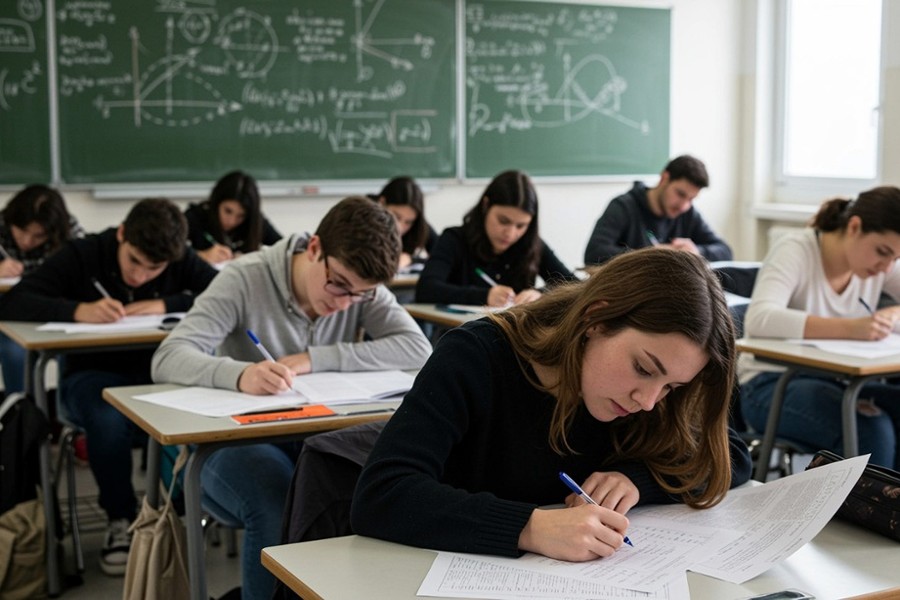
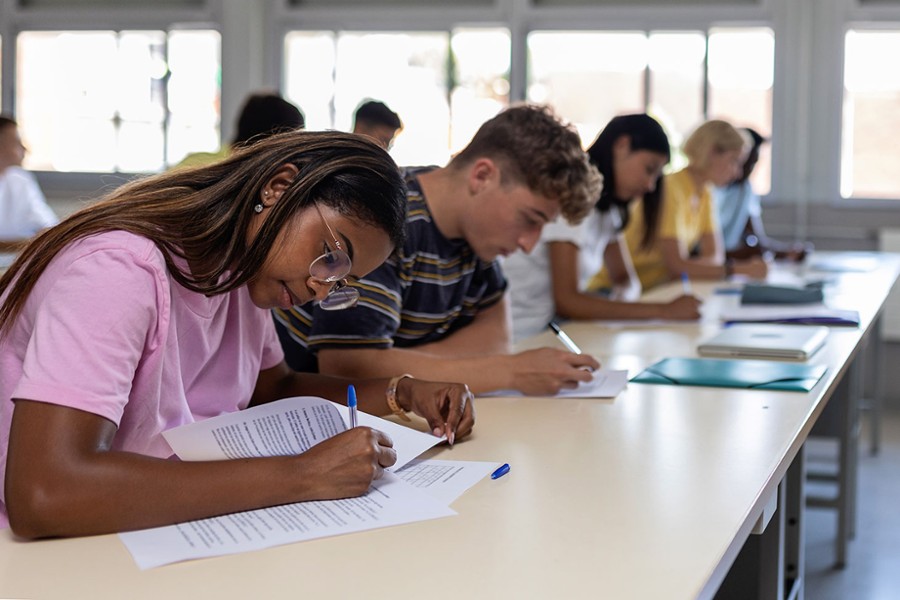
When faced with exam questions deemed too difficult or with heavy course loads, high school seniors no longer hesitate to launch petitions. What does this phenomenon tell us about their relationship with the educational system and with their diplomas...
In the workplace, all employees react differently. Whether secure, anxious, or avoidant, these attachment styles—which date back to early childhood—can resurface at work. How can we better understand this psychological...
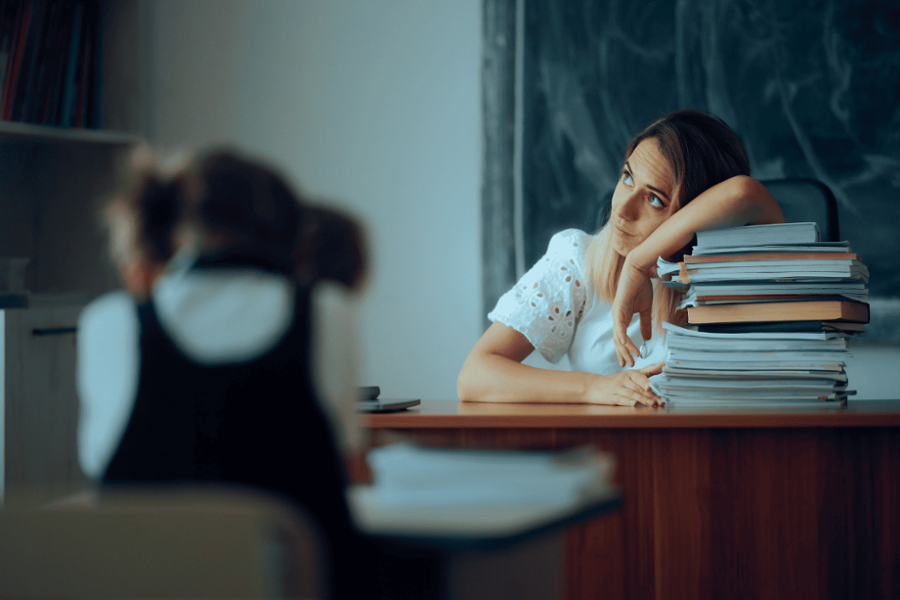
What is causing this crisis in the appeal of the teaching profession in France and around the world? A review of studies conducted in 18 countries prompts us to examine the working conditions and recognition of...
In early 2026, the Ministry of National Education issued a warning about gender-based and sexual violence in schools. Nearly 15% of girls and 12% of boys are believed to have been exposed to at least one form of rape...
Growing up in an environment steeped in the display of male power, children become attuned to gender stereotypes at a very early age. How does this influence their attitudes? Do they then view the po...
Will the 2026 high school graduation exam be similar to the 2025 exam? At the start of the school year, the Ministry of National Education announced its intention to adjust the current procedures for ongoing assessment, sparking new debates...
With the current advancements in generative artificial intelligence, some students are tempted to delegate their homework to tools like ChatGPT. But to ensure they are learning and making progress...
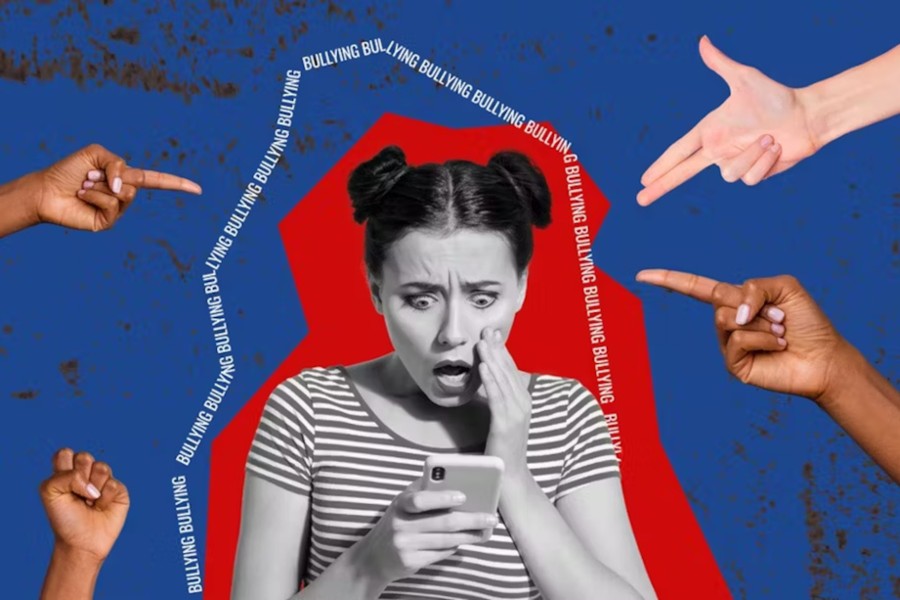
The quest for popularity inherent in social media sometimes leads young users to take risks that can fuel various forms of cyberbullying. Take Snapchat, for example.
How can we show young people that the future isn’t set in stone and that they have a role to play in shaping it? That’s the challenge taken on by PROTECT, a European research project that also features an interactive digital game.
To combat inequalities in learning to read, the Coup de Pouce organization works to share best practices among parents and educators. Here’s a look at their results.
Between advice and questions, encouragement and reprimands, comments on exams are part of everyday school life. But how do students make the most of them?
Are there any tasks or roles for which one is too young… or too old? Let’s take a look at what educational science tells us about the relationship between experience and skills.
Should we eliminate grades or increase their weight? This is a recurring debate. But rather than fueling it, shouldn’t we instead focus on questioning the purposes we assign to these grades?
“Education can overturn sociology,” said Education Minister Gabriel Attal in an interview with *Le Monde* in early October. What are we to make of this?
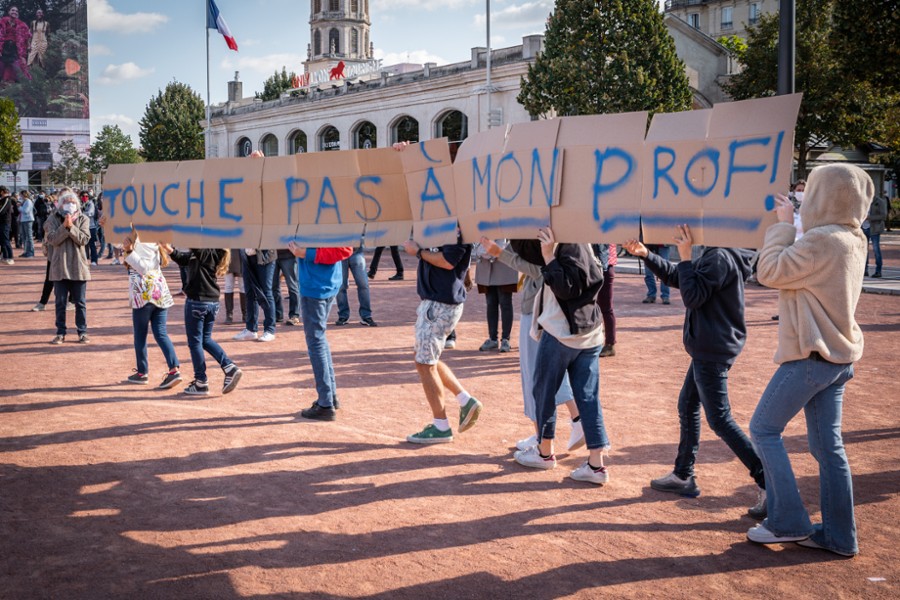
Teachers have become a target precisely because they are also a bulwark—a bulwark against the obscurantism that characterizes and drives their attackers, and threatens society as a whole.
In a system where a large portion of the baccalaureate is determined by ongoing assessment and where Parcoursup regulates access to higher education, does the baccalaureate still have any meaning?
Spinoza’s philosophy teaches us that to build an educational bulwark against hatred, we must teach children that they should always—and above all—seek to understand.
Positive education is a wonderful idea, but it comes with pitfalls that, if we are not careful, could prevent any real educational work from taking place. Rereading Hegel can help us avoid them.
The roles of student and elite athlete can create personal conflicts, but they can also be mutually beneficial—provided that one manages these commitments effectively.
While the “macabre consistency” of grades has been criticized, their apparent objectivity makes them tools that remain highly valued in an educational system where selection plays a significant role.
By putting knowledge at our fingertips, the Internet encourages us to embrace an activity-based approach to education and to reflect on the dangers of human omnipotence. A look back at the writings of Michel Serres.
To find books that will leave a lasting impression on a child’s imagination, why not explore the works of great authors such as Marie-Aude Murail or Jean-Claude Mourlevat?
Were the 2022 baccalaureate exam scores adjusted upward? The resurgence of this controversy over grading prompts us to question our preconceptions about the value of exams.
Over the years, numerous publications have sounded the alarm about declining spelling skills. But how can we assess the actual situation and help students make real progress?
“The Schemes of Scapin” in seventh grade, “The Miser” in eighth grade, “The Misanthrope” in high school… Molière’s plays on the curriculum have changed little, but the way they are taught has evolved.
In what ways is the Molière our grandparents were taught no longer quite the same as the one presented to students today? Here’s an explanation to mark the 400th anniversary of his birth.
Share the linkCopyCopiedClose the modal windowShare the URL of this pageI recommend this page:Available at this address:The page will then be accessible from your "My Favorites" menu.Stop the videoPlay the videoMutePlay audioChat: Have a question?Robo Fabrica ChatbotMatomo Traffic StatisticsX (formerly Twitter)