

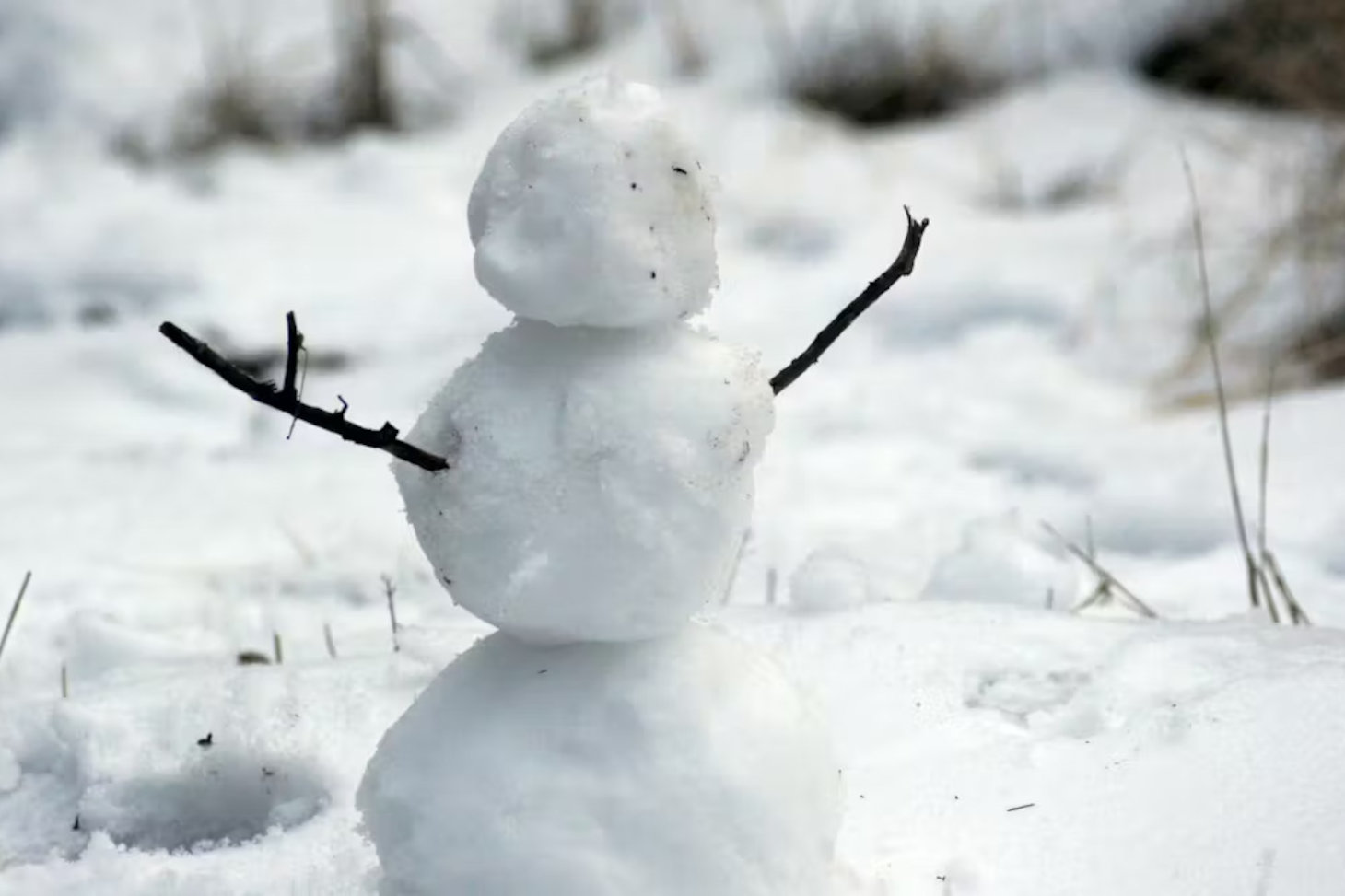
A symbol of skiing, the magic of the holiday season, the hushed silence of early winter mornings, and sparkling mountain peaks, snow plays a much more important role than we realize—particularly in regulating the climate and protecting ecosystems. For snow brings an element that is essential to life: water.
What role does snow secretly play in nature? How does global warming affect the amount of snow that falls each year?
Snow is a major component of our mountains. Snow cover results from the accumulation of snowfall on the ground during the winter, and it gradually melts in the spring or turns into firn, and then into a glacier, at high altitudes.
In the Alps, snow covers the ground for at least six and a half months a year at elevations above 2,000 meters.
Snow has unique properties that make its presence on the ground essential in nature.
Snow is white, which means it reflects most of the sunlight. Its presence therefore limits the absorption of solar energy and, consequently, the rise in temperature—not only locally but also ona global scale when snow covers large areas.
Second, snow serves as a water reservoir for mountainous regions and the surrounding plains: it limits river flow in the winter and provides high flow rates during the spring melt. This meltwater is important for mountain ecosystems, as well as for agriculture and hydroelectric power generation, and also for the availability of drinking water in certain regions of the world.
Finally, snow often has a high air content and acts as an insulator—a sort of foam made of ice and air. This allows it to protect the soil from fluctuations in air temperature, whether from the cold during the winter months or the heat in the spring. The fact that the soil is protected—from the cold, for example—is important for the plants growing there, as it shields them from severe frosts: snow plays a role somewhat similar to mulch in a vegetable garden, which protects bare soil from the elements.
In response to rising global temperatures, snow cover is becoming increasingly scarce worldwide. Overall, since 1970, the duration of snow cover in the European Alps has shortened by about one month at elevations below 2,000 meters.
Several snow monitoring sites have been in operation in the Alps for several decades and provide a unique insight into the signs of climate change in mountainous regions.
For example, at the Col de Porte site, located at an average elevation (1,325 meters) in the French Alps, the winter air temperature has increased by 1.05 °C between the two 30-year periods studied (1960–1990 and 1990–2020, from December1to April 30), while total winter precipitation has not changed significantly. As a result, the average snow depth decreased by 40% between the two periods due to changes caused by rising temperatures, with more rain replacing snowfall at this mid-altitude site where the average winter temperature is close to 0°C.
At low and mid-altitudes, the shift in the boundary between rain and snowfall is the primary cause of the decline in snowfall.
At higher elevations, as illustrated by the Weissfluhjoch site, perched at 2,536 meters in the Swiss Alps, the temperature increase over the same periods is roughly the same as at the Col de Porte. However, the average snow depth has not changed significantly between the two 30-year periods (when calculated over the December–April periods), and no major changes in total precipitation have been detected.
This is because the average winter temperature at this elevation is very low (-7.35 °C at Weissfluhjoch) and the climate-related rise in temperature is not sufficient to cause snowfall to turn to rain during the period from December through April.
Nevertheless, the duration of snow cover, even at this elevation, has shortened in late spring: the date when the snow disappears has moved up by an average of 15 days between the two 30-year averages. This is due to rising spring temperatures, which lead to greater snowmelt. It is the second leading cause of snow loss due to climate change.
In summary, snow cover is retreating in response to rising air temperatures—more rapidly at low and medium elevations due to a shift in precipitation type (rain instead of snow), but also at higher elevations due to earlier melting.
The decline in snow cover has numerous consequences and is profoundly changing the society and economy of mountain regions—through winter sports, among other things, but not limited to them.
The decline in snow cover is causing a change in the water cycle in mountainous regions, with streamflow increasing in winter (more rain) and decreasing in spring and summer (less snow).
The decline in snow cover, combined with rising temperatures, is leading to a “greening” of the Alps, with plants colonizing areas that were previously devoid of vegetation, as well as a shift in the altitudinal distribution of vegetation.
Finally, the retreat of snow is altering the associated natural hazards, such as avalanches and rockfalls.
We know that the average winter snow depth will continue to decrease in the coming decades if greenhouse gas emissions do not decline; however, year-to-year variability in snow cover remains very high: there are winters with heavy snowfall and winters with little snow, much like the difference between weather and climate (weather changes rapidly from hour to hour and day to day, while climate represents the average of weather conditions over several decades).
While Météo-France is able to forecast a day of high-pressure conditions followed by the arrival of a weather system and potential snowfall later this week in Isère, we cannot predict whether there will be snow at Christmas in 2025 or 2030, nor how the winter of 2024–2025 will compare specifically in terms of snowfall to previous years.
The possibility of a snowy winter cannot be ruled out at this time, but global warming is significantly reducing the likelihood of such an event—especially at low and medium elevations—in favor of winters with little snow. As long as temperatures continue to rise, the likelihood of winters with heavy snowfall will decrease, disrupting and endangering the beauty and fragile balance of our mountains and all their inhabitants.
On a related note, you can hear the author on the PULSAR podcast from the Grenoble Observatory of Universe Sciences, which brings together a scientific community of 1,300 researchers from the CNRS, UGA, IRD, INRAE, and Météo France.
This article is republished from The Conversation under a Creative Commons license. Readthe original article.