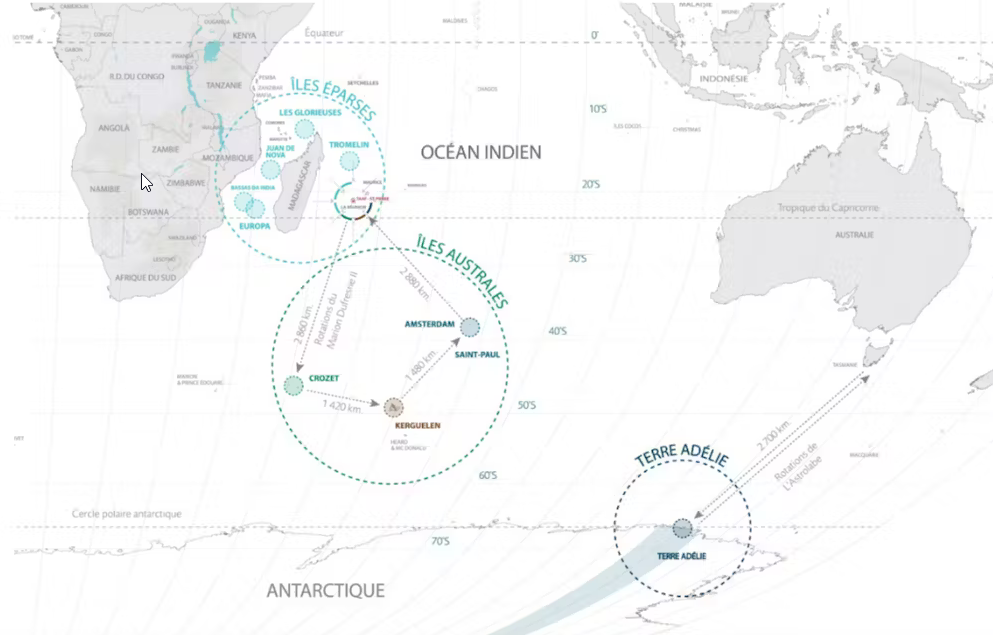

The French Southern and Antarctic Lands (TAAF) are at the heart of these ambitions. Comprising five districts—the Crozet Archipelago, the Kerguelen Islands, Saint-Paul and Amsterdam Islands, the Scattered Islands, and Adélie Land—these territories are nonetheless among the least well-known overseas communities to the general public. These highly distinctive territories are nonetheless faced with statutory, geopolitical, and environmental challenges important.
The TAAF have unique characteristics, stemming in particular from their geographical remoteness from mainland France, their inaccessibility, and the absence of a permanent human population. These characteristics explain why these territories are subject to a unique system of governance.
A law dated August 6, 1955, supplemented by a decree dated September 11, 2008, establishes the ambiguous legal status of the TAAF. The 1955 law classifies them as “overseas territories” (TOM), even though this legal category was abolished by the constitutional amendment of March 28, 2003, which replaced it with the concept of “overseas collectivity” (COM). To date, lawmakers continue to classify the TAAF as “TOMs” without providing a clear justification.
Moreover, it is unlikely that the constitutional reform announced by Emmanuel Macron in early October regarding the territorial organization of the Republic—including the overseas territories—will provide clarity on this point.
The legal nature of the TAAF can therefore be called into question: Is it a true local government? The answer is a delicate one: in the absence of a permanent human population, there are no local elections, no elected councils, and no local democracy. Should the TAAF, then, be considered a local government with special status?
This status is all the more unique given that the TAAF are governed by the principle of legislative specificity, meaning that French laws do not apply there, barring certain exceptions. This applies to the Highway Code, the Building Code, and the Education Code. This does not mean that the TAAF are not subject to any French regulations, since, as exceptions, the Penal Code, the Civil Code, and the rules regarding nationality remain applicable.
It is therefore possible—albeit rare—for a wedding to be held in the TAAF. In 2014, a French national was fined 10,000 euros for illegally organizing tourist trips to Antarctica and violating the Environmental Code.
[More than 85,000 readers rely on The Conversation’s newsletters to better understand the world’s major issues. Subscribe today]
Although little-known, if not unknown, the TAAF are nonetheless linked to major geopolitical issues. They are located on the periphery of the Indo-Pacific region, which France—following the lead of Japan, the United States, India, and Indonesia, among others—has made a central focus of its foreign policy.
This new strategic concept updates the approaches that had prevailed until now, placing greater emphasis on the situation of the islands in the region. Among them, the TAAF—while consistently linked to this group in public discourse—occupy an uncertain position.
They are also the subject of territorial disputes between France and some of its neighbors. In this regard, a special case must be made for Adélie Land, a “sector” of more than 430,000km²located on the eastern coast of the continent. The Antarctic Treaty of December 1, 1959, effectively “froze” the territorial claims of the seven so-called “claimant states ” (Argentina, Australia, Chile, France, Norway, New Zealand, and the United Kingdom); this had the effect of neither challenging nor formally recognizing these claims.
Adélie Land can therefore remain French from Paris’s perspective, while at the same time constituting an “internationalized” space for Washington, Beijing, or Moscow.
While France’s claims to ownership of the three southern territories (Kerguelen, Saint-Paul, and Amsterdam or Crozet) are no longer disputed, it faces dual opposition regarding its claims to exercise territorial sovereignty over the Scattered Islands.
First and foremost, Madagascar is disputing the four islands in the Mozambique Channel (Europa, Juan de Nova, Bassas da India, and the Glorieuses) with Madagascar. Emmanuel Macron’s visit in October 2019 to the Glorieuses Islands—a first for a head of state— reignited the dispute and put Antananarivo on edge. Since then, negotiations have stalled.
The same applies to the other territorial dispute involving Tromelin Island, between France and Mauritius. However, a framework agreement on joint management was adopted on June 7, 2010, which sets out the framework for cooperation between the two countries on issues related to research, environmental protection, and the management of fishery resources.
However, it has still not entered into force, as the French Parliament has not authorized its ratification. The reasons for this stem from fears, expressed by some members of Parliament, that it would open a Pandora’s box, leading to a loss of sovereignty over these disputed islands.
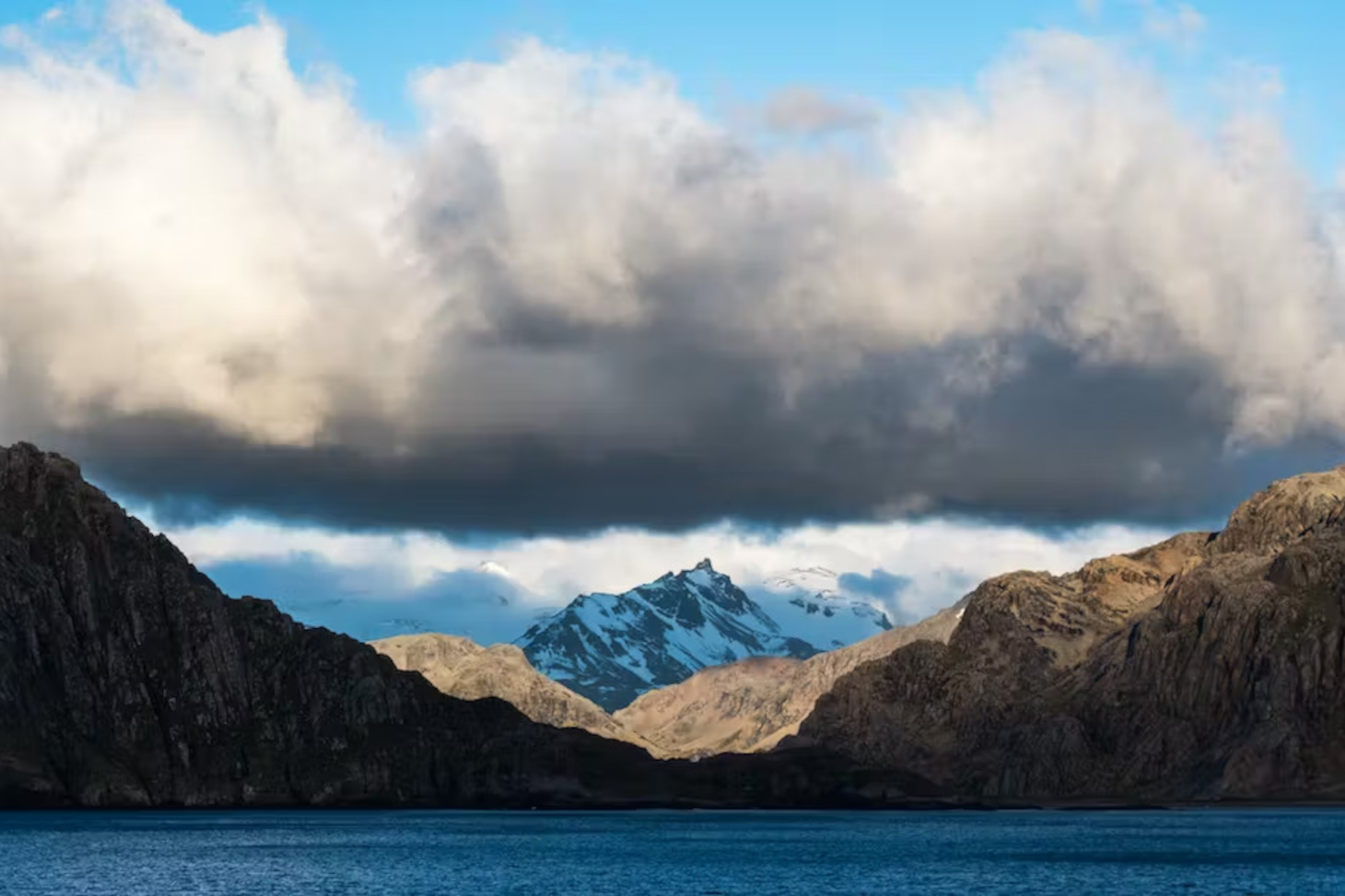
From an environmental perspective, geographic isolation has played a major role in preserving the extraordinary biodiversity of the entire TAAF region, which serves as a refuge for a vast number of protected species. Preserving this unique environment is an increasingly urgent concern in light of the impacts of human activities and global environmental changes.
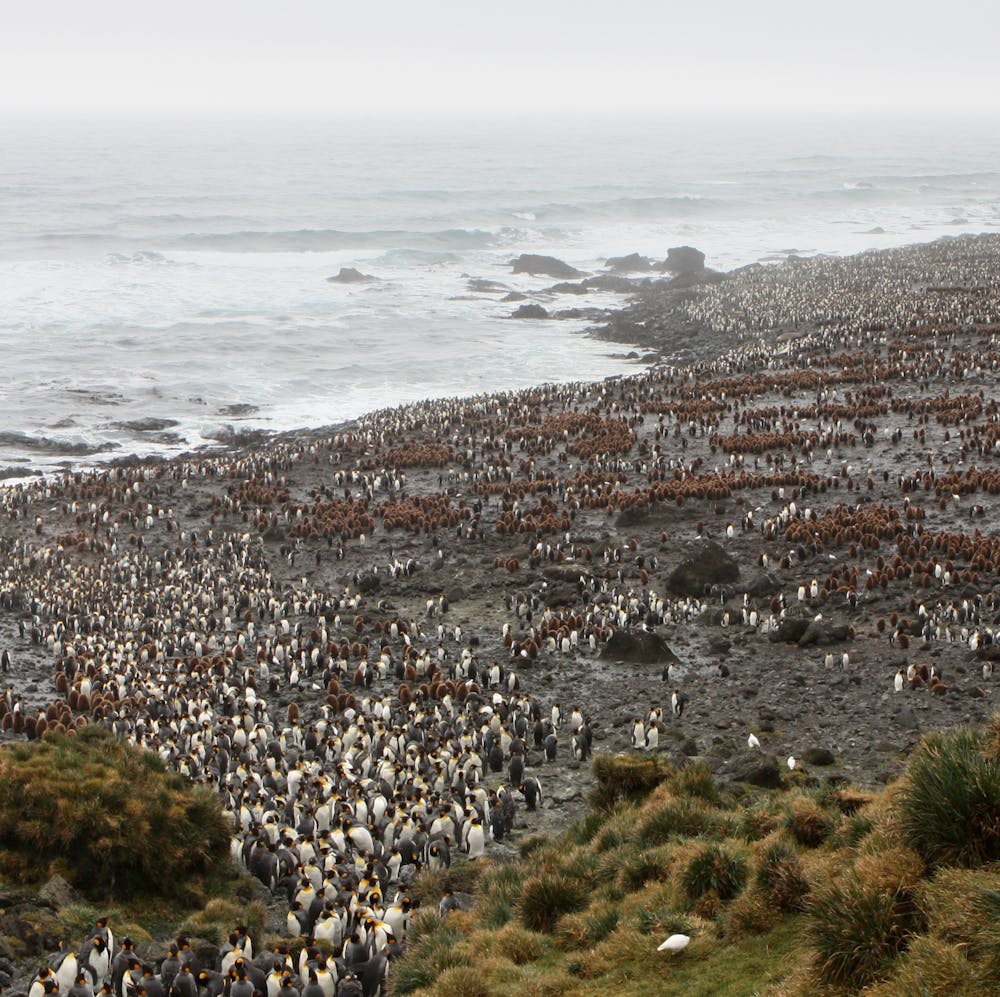
Here, too, the case of Adélie Land must be distinguished from that of the other TAAF territories. Its unique environment is protected by a specific legal framework, as it is subject to the regulations stemming from the 1959 Antarctic Treaty, in particular the Madrid Protocol and its six annexes. Together, these provisions establish comprehensive environmental protection in Antarctica and have so far been quite effective in preserving the region’s biodiversity.
As for the other French Southern and Antarctic Lands (TAAF), the government has been pursuing a proactive policy for the past two decades to protect these vulnerable areas. In 2006, the French Southern Lands Nature Reserve was established around the Crozet Archipelago and the Kerguelen, Saint-Paul, and Amsterdam Islands.
This reserve, which as of 2022 covers an area of 1.6 millionkm², is one of the world’s largest marine protected areas and has been listed as a UNESCO World Heritage Site since 2019. In addition, there are 43,000 km2 is the Glorieuses Archipelago National Nature Reserve, whose protection was strengthened in 2021.
This trend toward designating natural areas as protected zones—which is certainly commendable—nevertheless raises two points.
On the one hand, this process may mask the exploitation of marine protection in the context of ongoing sovereignty disputes. For example, the creation of the Glorieuses Marine Protected Area in 2021 at the northern entrance to the Mozambique Channel sparked strong opposition from Madagascar, which was quick to reiterate its competing claims to sovereignty over the Éparses Islands.

On the other hand, one might question the effectiveness of protected areas once they have been designated. Indeed, the development of management plans designed to achieve the defined objectives and the allocation of resources to meet those objectives very often prove to be insufficient.
Furthermore, the establishment of nature reserves does not completely rule out human activities: the TAAF thus hosts scientific, fishing, and tourism activities. While these activities are subject to prior notification or authorization by the Prefect, who serves as the administrator of the TAAF, it is crucial to ensure that their impacts on this highly vulnerable environment are strictly limited.