Raising awareness alone is not enough to change collective practices. By putting participants in a position to make concrete decisions about their institution’s climate trajectories, active education opens the door to...
Move along, nothing to see here? Estimates of the environmental impact of generative artificial intelligence—such as those conducted by Google in the summer of 2025 on its Gemini AI—seem reassuring: only 0.00...
This phrase quickly gained traction during the deadly floods that struck Valencia (Spain) in October 2024: “Only the people can save the people.” Today, it is inscribed on hundreds of...
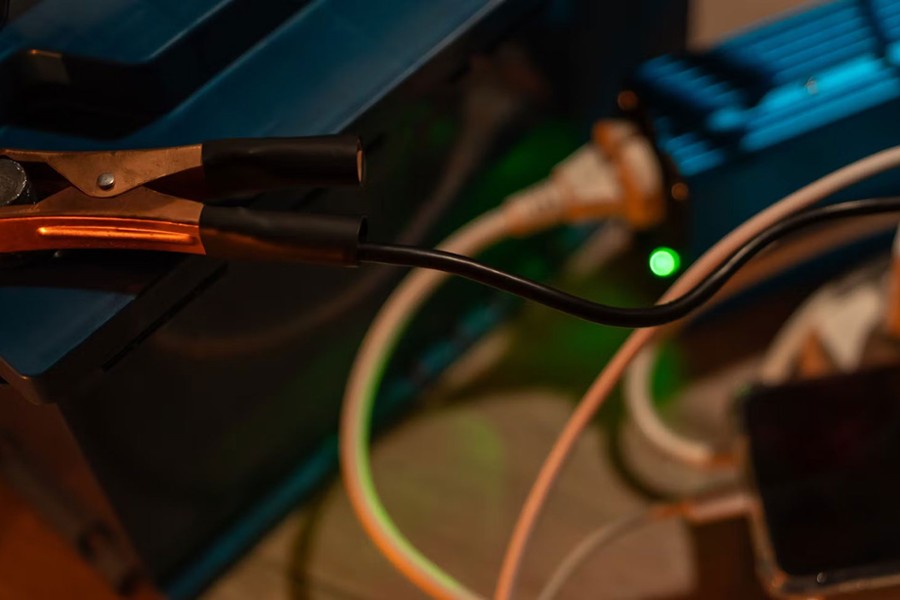
It is one of the invisible—yet ubiquitous—cornerstones of the energy transition: power electronics, which convert electricity into a form that can be used by a wide variety of electrical equipment...
As the humanitarian situation in Gaza reaches an unprecedented level of severity, announcements about the resumption or delivery of international humanitarian aid mask the reality of an insufficient and strictly...
How high will sea levels rise due to climate change? We can answer this question on average, using estimates and making assumptions, but providing a precise answer on a ...
As iconic landmarks in the history of mountaineering, mountain huts are seeing a surge in visitors, driven by a younger crowd. This upturn comes at a time when dozens of buildings and their acc...
Some renewable energy sources are highly sensitive to weather conditions (solar, wind, etc.), while the location where electric vehicles are used changes over time.
Before the “liberated company” came the “self-managed company.” The principle: employees are involved in decision-making. Examples include Lip in 1973 and… the Dominican monks in the Middle Ages.
The massive power outage in Spain and Portugal has made us realize how dependent we are on electricity. How can we better prepare for such events? How should we respond during a blackout?
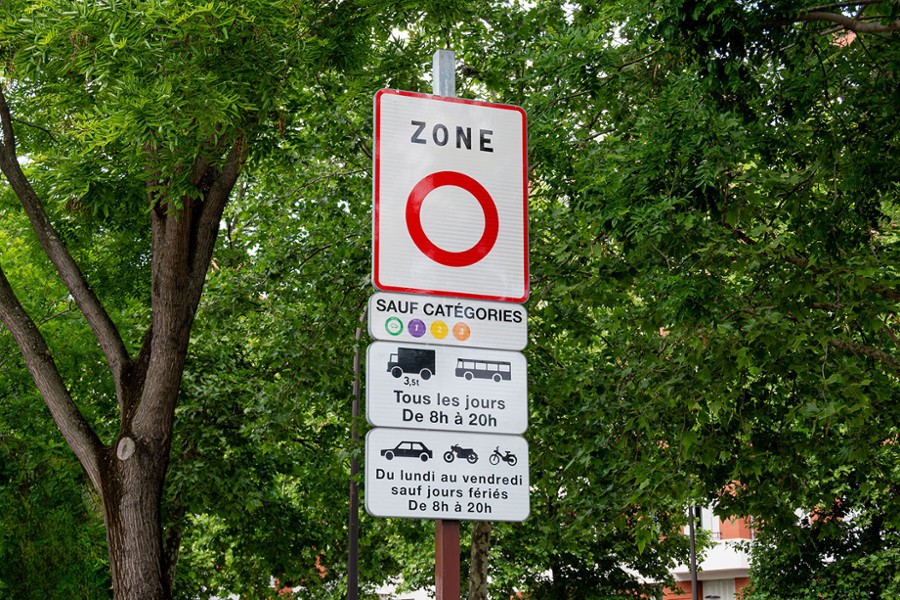
A recent study conducted in the Grenoble metropolitan area debunks the French paradox surrounding Low-Emission Zones (LEZs) and shows that the proportion of the population affected by these measures and lacking alternatives is very small.
This unique feature of the French electricity market, introduced in 2010 following France’s integration into the European energy markets, is set to end sometime in 2025.
The equivalent of four additional years’ worth of global CO₂ emissions could soon be released into the atmosphere, further exacerbating climate change.
This Saturday, October 12, many towns in France will turn off their streetlights to raise awareness about the impact of nighttime light on biodiversity.
Pursuing low-carbon, meaningful science. In the era of climate change, research must reinvent itself and, to minimize its carbon footprint, could become more collaborative.
Access to private natural areas is now punishable by a fine of 135 euros. This raises questions about our relationship with the environment, especially when you consider that 75% of France’s forests are privately owned.
Flash floods are among the deadliest types of severe weather. Climate change and urbanization are making them increasingly frequent, yet people are not always aware of the danger they pose.
To provide access to electricity for the 43 percent of people in sub-Saharan Africa who live without it, we must first assess the electricity needs of populations that have never had it.
Greenland's ice shelves act as "dams" that regulate the amount of ice flowing into the ocean. Their disappearance will accelerate the rate of sea-level rise.
Activists from Soulèvements de la Terre have left the Girose Glacier in the Hautes-Alpes. But the issue of development in the high mountains—and the future of its tourism model—remains.
While EU countries are capable of taking strong joint action, a divide is emerging between member states with very different—and even conflicting—decarbonization strategies.
To understand how the various methods for calculating nuclear power’s share of France’s energy mix are developed, and the implications of these calculations.
In the face of climate change, ski resorts in the Hautes-Alpes are adapting—though not without debate and conflict: Should skiing remain the main tourist attraction?
The risk of flooding is increasing in the Grenoble metropolitan area as a result of climate change. This challenge requires the metropolitan area to adapt its economy—and its industrial sector in particular.
In an effort to reduce its dependence on the weather, the winter sports industry has increased its reliance on artificial snow. What are the consequences?
Le bol d’air qu’avait constitué la promesse des 100 milliards de dollars annuels au titre de la solidarité Nord-Sud est aujourd’hui source de frustration pour les pays en développement.
While the rainfall deficit of recent months is not the most severe in recent decades, it is having particularly significant agricultural and hydrological effects.
The implementation of energy conservation—which is essential in many respects—requires a combination of changes in individual behavior and investment in appropriate infrastructure.
Despite our emotional response to the repeated media coverage of extreme weather and climate events, it remains difficult for us to fully grasp the reality of climate change and the need to adapt to it.
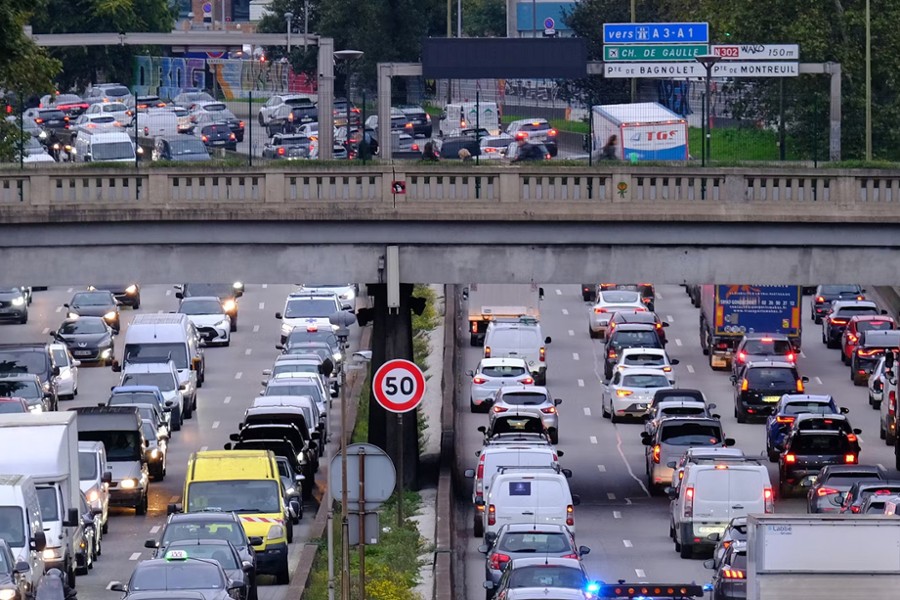
Economic considerations are sometimes cited to justify the limited scope of efforts to combat air pollution. Yet the more ambitious these efforts are, the greater the benefits for the budget—and for public health.
Share the linkCopyCopiedClose the modal windowShare the URL of this pageI recommend this page:Available at this address:The page will then be accessible from your "My Favorites" menu.Stop the videoPlay the videoMutePlay audioChat: Have a question?Robo Fabrica ChatbotMatomo Traffic StatisticsX (formerly Twitter)