

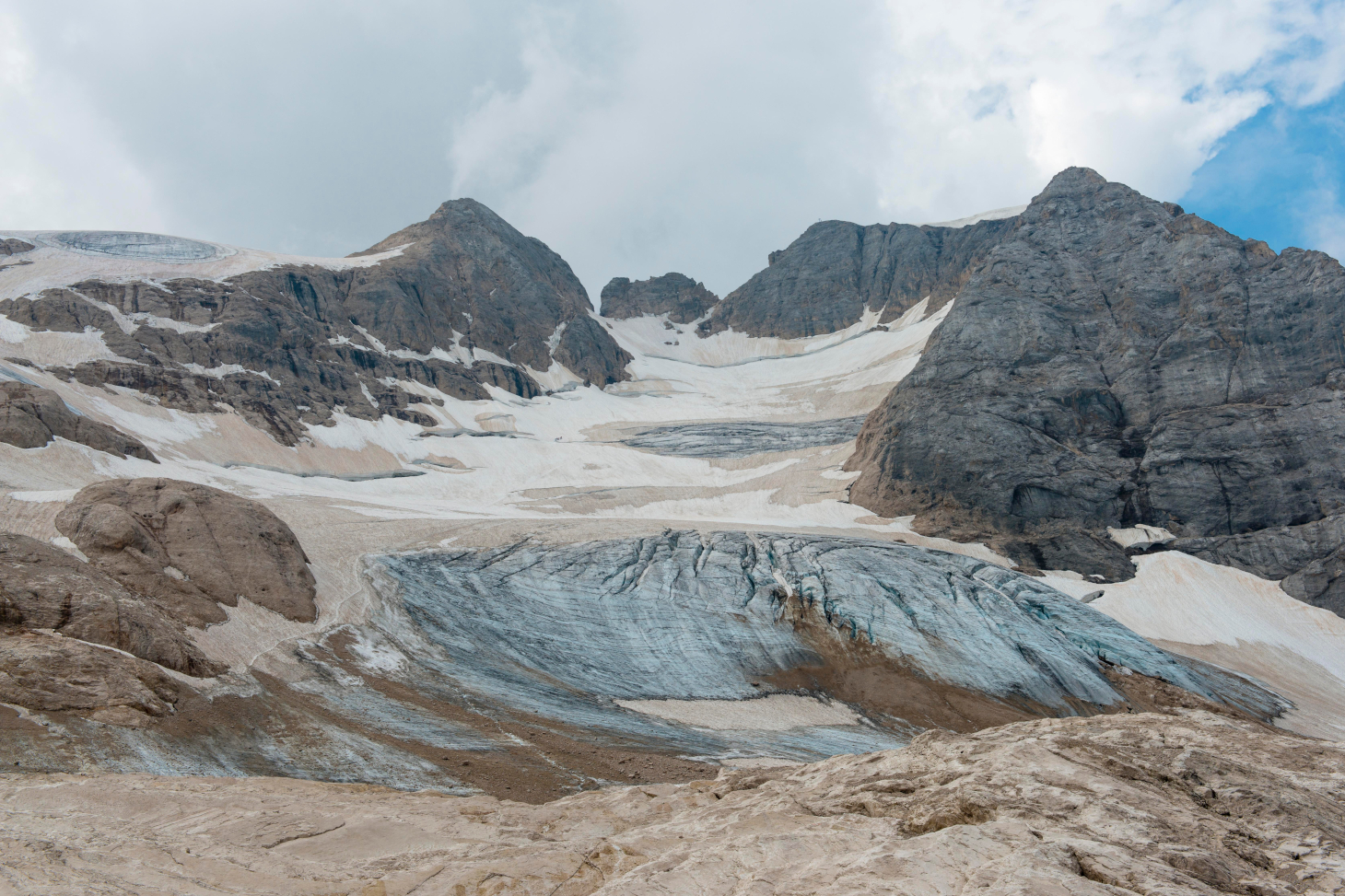
This observation raises the question of how to explain this disconnect between growing awareness and the lack of response from both citizens and policymakers.
Weather and climate events occasionally—but frequently—take center stage in the media. Whether it’s record rainfall leading to sudden and violent floods, drought combined with strong winds causing uncontrollable wildfires, heat waves in Northern countries unaccustomed to such events, or storms causing coastal flooding, images of destruction regularly make the headlines in our daily news.
These striking images and the poignant testimonies of victims who have lost loved ones or their homes are stirring public emotion. As individuals, we identify all the more with these victims because we share the same lifestyles and daily concerns—especially when the event affects areas close to home or to which we are emotionally attached.
This relative proximity is one of the factors that makes us perceive the risk of extreme weather events more acutely than the more general and uncertain risk of climate change.
Temporal proximity is also a factor in risk perception that can lead to the emergence of emotions capable of motivating action.
When heavy rainfall combined with a risk of flash flooding is forecast within the next 24 hours, most of us will wonder what to wear or whether it’s worth bringing an umbrella. It is only after seeing firsthand the extent of the rain and runoff—or after receiving repeated warnings from trusted sources or observing emergency responses in our immediate surroundings—that we may eventually be able to grasp the danger that lies ahead.
[Nearly 70,000 readers rely on The Conversation’s newsletter to better understand the world’s major issues. Subscribe today]
While this perception of danger may not be sufficient to trigger protective action, it is nevertheless useful in motivating action. This motivation—which consists of a set of cognitive processes stemming from conscious reasoning or a rapid, instinctive emotional reaction—must then be combined with an individual’s capacity (both psychological and physical) and contextual opportunities to act in order to enable protective measures to be taken.
But as past experiences with disasters have shown, we often wait until the danger seems imminent before taking action—regardless of how much time we have to act.
While our understanding of the processes at work in behavioral responses to extreme weather events is becoming more refined thanks to the lessons learned from these numerous events, the same is less true for the risks associated with climate change.
We experience weather phenomena on a daily basis right in our own neighborhoods. They manifest themselves hour by hour through changes in daily temperatures or the occurrence of thunderstorms. These events are highly noticeable and influence our choices regarding what to wear and what activities to do each day.
Climate, on the other hand, involves spatial scales ranging from regional to global and long time scales measured in decades. It reflects the average, long-term, widespread variability of meteorological parameters (temperature, precipitation, wind, etc.).
As such, we cannot experience it directly through our five senses. Only in-depth statistical analyses of long series of observational data on these parameters can capture the concept of climate. This is information that matters to us when choosing what clothes to pack for a vacation far from home. For example, while a down jacket and thick sweaters are necessary as early as fall to adapt to the climate of northern Europe, an occasional weather anomaly—which is always possible—might make us regret forgetting to pack T-shirts.
Climate change is also a slow process, barely perceptible on the scale of human lifetimes, and one that can only be demonstrated by observing the long-term recurrence of anomalies in meteorological parameters. Moreover, the range of their variation over the long term (currently estimated at 1.5°–2°C on average) seems quite negligible to us compared to the daily variability of these same parameters.
While it may be difficult to connect climate change to our day-to-day experience of the environment, it becomes evident in the long-term changes to our landscapes.
This is particularly striking in the Alps, where the glaciers are shrinking rapidly, as evidenced by the walkways that have been added over the years to provide access to the Mer de Glace, which continues to recede inexorably.
Certain extreme—and rare—events also make this more apparent to us. This is the case with high-altitude mountain accidents , such as the one on Mamolada in the Dolomites in July 2022, which occur as a result of serac falls triggered by a combination of a winter with below-average precipitation and abnormal heat waves.
Whether it is glaciologists or high-mountain professionals who observe it, glacier conditions no longer correspond to the seasonal patterns we experienced just a few decades ago. Farmers—and winegrowers in particular—are also seeing the start of their grape harvests move earlier into the summer.
While weather and climate are two sides of the same coin, the connection between the two is not always obvious, even though media coverage very often draws cause-and-effect links.
As such, extreme weather events are often presented as a tangible manifestation of climate change. Some will rightly point out that such extreme events have always existed: attributing a specific event to climate change is no easy task, and this is what climatologists refer to as“attribution.” It helps us determine to what extent changes in frequency can be attributed to climate change.
Communication about weather and climate risks aims to raise awareness of potential hazards and encourage at-risk individuals or groups to reduce their exposure and vulnerability by adopting appropriate measures and behaviors. Unfortunately, these changes in attitude are difficult to bring about, especially when it comes to shifting habits in order to prepare for events that are unlikely and uncertain—and whose consequences are not always foreseeable.
To this end, meteorological and climate experts strive to produce the best possible forecasts to help decision-makers and the general public understand these developments and the extent of the consequences and damage that could result.
Overall forecasts and impact-oriented models are among the tools currently being deployed to better assess the probability of these extremes and their consequences. In particular, they make it possible to assess the likelihood of certain thresholds (for rainfall, water levels, average temperatures over several consecutive days, etc.) being exceeded—thresholds considered critical by managers of protective infrastructure or for human health, for example.
When expressed in terms of their impact on infrastructure, economic activities, or human life, these assessments can help territorial managers and those at risk better understand the specific nature of the risk—especially when they are tailored to local conditions.
However, as we have seen, simply understanding the problem is not enough: we must also be able to devise effective solutions and implement them… and we are not all equal when it comes to choosing our course of action. It is by ensuring that no one is left behind and by aligning our individual and collective efforts that we will be able to adapt to the rapid changes currently underway.
For once, Let's take the initiative rather than wait for the sky to It's coming down on us!