

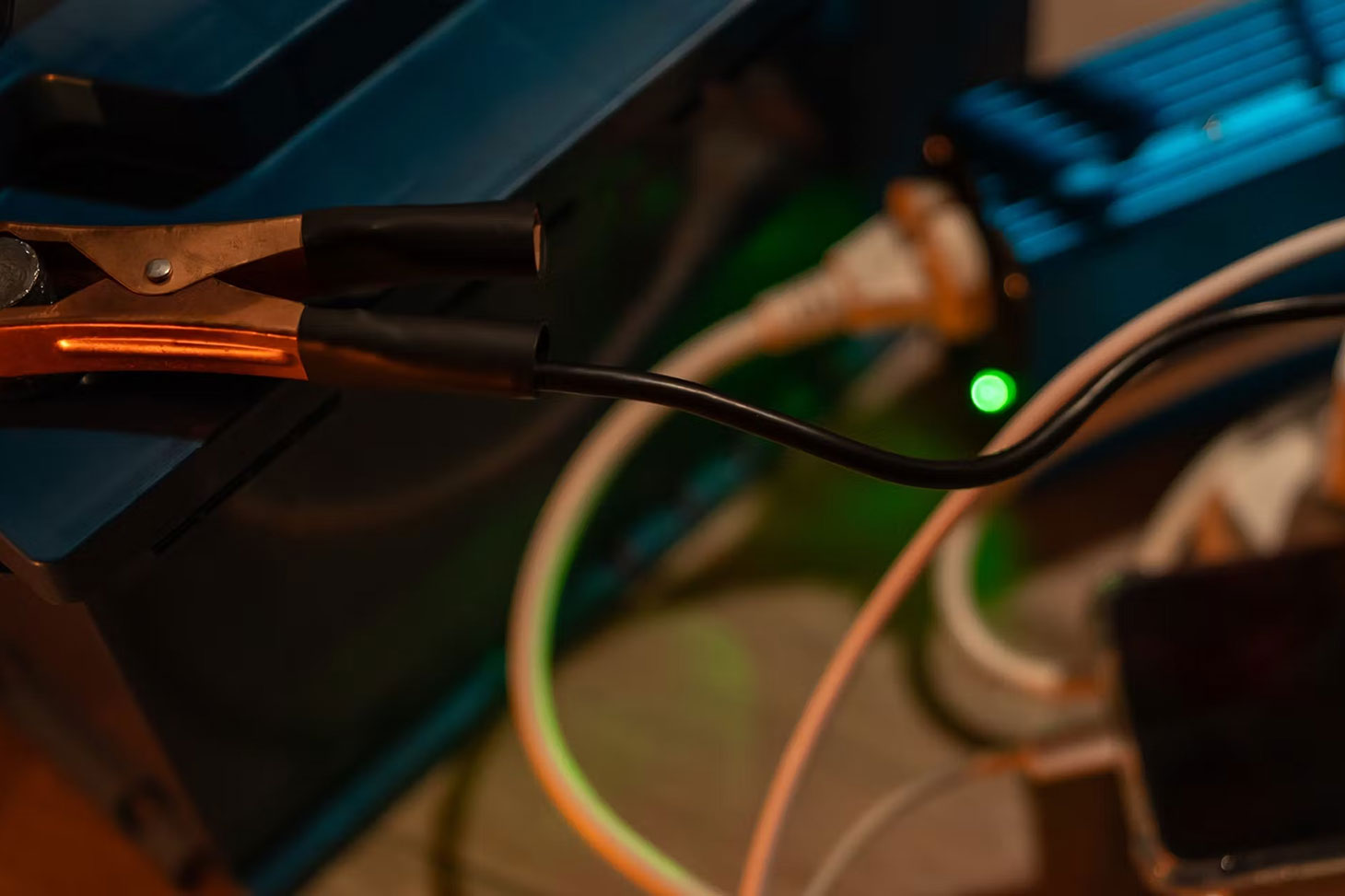
One of the key drivers of the energy transition and the decarbonization of the economy isthe electrification of our daily activities. Electric vehicles, for example, emit fewer pollutants and greenhouse gases (GHGs) during operation than their internal-combustion-engine counterparts.
Electricity, however, is not an energy source in and of itself, but rather a carrier of energy—much likethe chemical energy contained in hydrocarbons, which is released when they are burned. Unlike chemical energy, however, it is a form of energy that is rarely found in nature (except perhaps during thunderstorms).
One of the key challenges is therefore to generate electricity from carbon-free sources: even today, nearly 60% of the world’s electricity is generated from fossil fuels. But that is not the only challenge of the transition. To electrify the economy, we must also scale up the adoption of electric technologies (such as electric mobility) and strengthen the resilience of the power grid.
This is based on cutting-edge technologies. Among these technologies, power electronics—which converts electricity into a form that can be used by various devices—plays a key role that warrants a detailed description, both in terms of how it works and the energy and environmental challenges associated with it.
Power Electronics: A Key Component of the Transition
Power electronics, though little known or misunderstood by the general public, are nevertheless ubiquitous in our daily lives. These are electronic devices used to convert electrical energy at every stage of the process: for example, on power lines to regulate voltage, for charging electric vehicles, and, of course, in the chargers for our cell phones and laptops.

In chargers, power electronics are used to convert alternating current (AC) from the power grid into direct current to charge the batteries. They also enable the creation of inverters for the reverse process: converting direct current into alternating current.
Inverters have a wide range of applications: they enable renewable energy sources (such as solar and wind power) to be integrated into the power grid. They are also essential for charging electric vehicles and powering heat pumps, air conditioners, and household appliances such as refrigerators, washing machines, and so on.
In fact, virtually all electrical equipment includes one—and often several—power electronics converters, across all power ranges:
-
for lower power levels, in the range of a few tens of watts (W)—enough to charge a smartphone, for example,
-
for intermediate power levels, in the range of a few dozen kW, to charge an electric vehicle or feed electricity generated by photovoltaic solar panels into the grid,
-
up to several megawatts (MW), for example, to convert the energy generated by a wind turbine into electricity, or to power the motors of a high-speed train or a data center.
The wide range of applications and power levels required has led to the development of a very diverse range of power electronics products, each optimized for its specific application.
Traditionally, these research and development (R&D) challenges have focused on improving energy efficiency (to minimize losses and boost performance), increasing power density (to reduce the weight and size of devices), and enhancing their reliability and lifespan. But with the explosion in the use of electrical devices, power electronics now faces environmental and social challenges.
In fact, the supply of critical raw materials is subject to geopolitical tensions, while their extraction can lead to pollution and the degradation of natural ecosystems.
However, efforts to decarbonize society should not be viewed solely through the lens of GHG emissions. To prevent and limit impact shifts (when reducing an environmental impact at one stage of a product’s life cycle leads to negative effects on another impact or stage), other environmental indicators must be taken into account, such as the availability of critical resources or the degradation of biodiversity.
Materials that are difficult to repair and recycle
As we have seen, power electronics spans a wide range of applications and power levels. As a result, it consists of a wide variety of materials and components: for example, the components that make up basic converters include more than 70 different materials.

For example, silicon for semiconductor components; ferrous materials or neodymium- or nickel-based alloys for magnetic components; aluminum or tantalum for capacitors; non-biodegradable epoxies or polyamides for printed circuit boards (PCBs); and large aluminum parts that serve as heat sinks (to dissipate the heat generated by electrical conversion). Some of these materials are considered critical and/or strategic, and are associated with significant environmental, economic, social, and even geopolitical challenges.
The problem also stems from their recyclability: designed for a specific purpose, power electronics products can be more difficult to repair and are often discarded at the end of their life cycle. Power electronics thus contribute to the growing volume of electronic waste that needs to be managed worldwide, which is projected to reach some 62 million metric tons by 2022. Currently, less than 20% of this waste is collected and processed.
The management of end-of-life waste from power electronics is thus a problem that compounds the challenges of securing supplies of critical raw materials and the environmental impact of their extraction. To minimize these issues, action must be taken at every stage of the life cycle, particularly during the design and end-of-life phases.
Making Power Electronics More Sustainable
The community of technical experts in this field is thus working to improve the sustainability of electronic equipment, particularly power converters.
In particular, the Working Group on More Sustainable Electronic Power Converters (CEPPS) within the CNRS research consortium “Electric Energy Systems in Their Societal Dimensions” (SEEDS)—of which we are a part—is examining the potential shifts in impacts resulting from widespread electrification without rethinking our habits and needs.
In fact, electrification leads to the production of ever-more electrical appliances to meet the constantly growing energy needs of our society. This observation should prompt us, first and foremost, to curb these needs by placing greater emphasis on energy efficiency.
Another issue—one that is more sensitive for this industry—relates to its relentless pursuit of performance and miniaturization. Shouldn’t design priorities be shifted instead? For example, by aiming to extend product lifespans or adopting more circular practices, which, in particular, promote recycling? This last point could involve improving repairability and ease of disassembly, as well as standardizing the components and materials used in devices.
As technical experts in power electronics, we recognize that our community alone cannot solve all the problems mentioned above. That is why we believe it is important to examine societal choices: consumption patterns, of course, but also technological choices. However, these technological choices are made by only a portion of the industry’s stakeholders, whereas we should include not only engineers, manufacturers, and lawmakers, but also consumers—without forgetting to incorporate perspectives from the humanities and social sciences.
This also means better educating the general public about energy systems, particularly electrical systems. The public must fully understand both their scientific and technical workings as well as the major challenges associated with it.