How can we better predict the future of sea ice? Drawing on the interdisciplinary approach championed by theUniversité Grenoble Alpes, Véronique Dansereau models ice fragmentation at the intersection of mechanics, glaciology, and climate modeling.
Get instant access to the information you're interested in.
Watch our video
Here. Université Grenoble Alpes.
Located in the heart of the Alps, our university brings together research, education, and innovation to address the major challenges facing our society. From the mountains to large-scale research facilities, from lecture halls to laboratories, from our local regions to the wider world, we bring together men and women who explore, learn, experiment, and invent the solutions of tomorrow. A university where differences become a collective strength and where, for nearly seven centuries, one conviction has united us: science sets us free.
At the heart of one of the world's most dynamic research and innovation ecosystems, Université Grenoble Alpes brings together the academic, scientific, and technological strengths of our region, fostering a unique collaborative momentum that enables Grenoble Alpes—with just 0.5% of the French population—to produce nearly 5% of national research.
Academic Units
École nationale supérieure d'architecture de Grenoble - UGA, Grenoble INP - UGA, and Sciences Po Grenoble - UGA are constituent institutions.
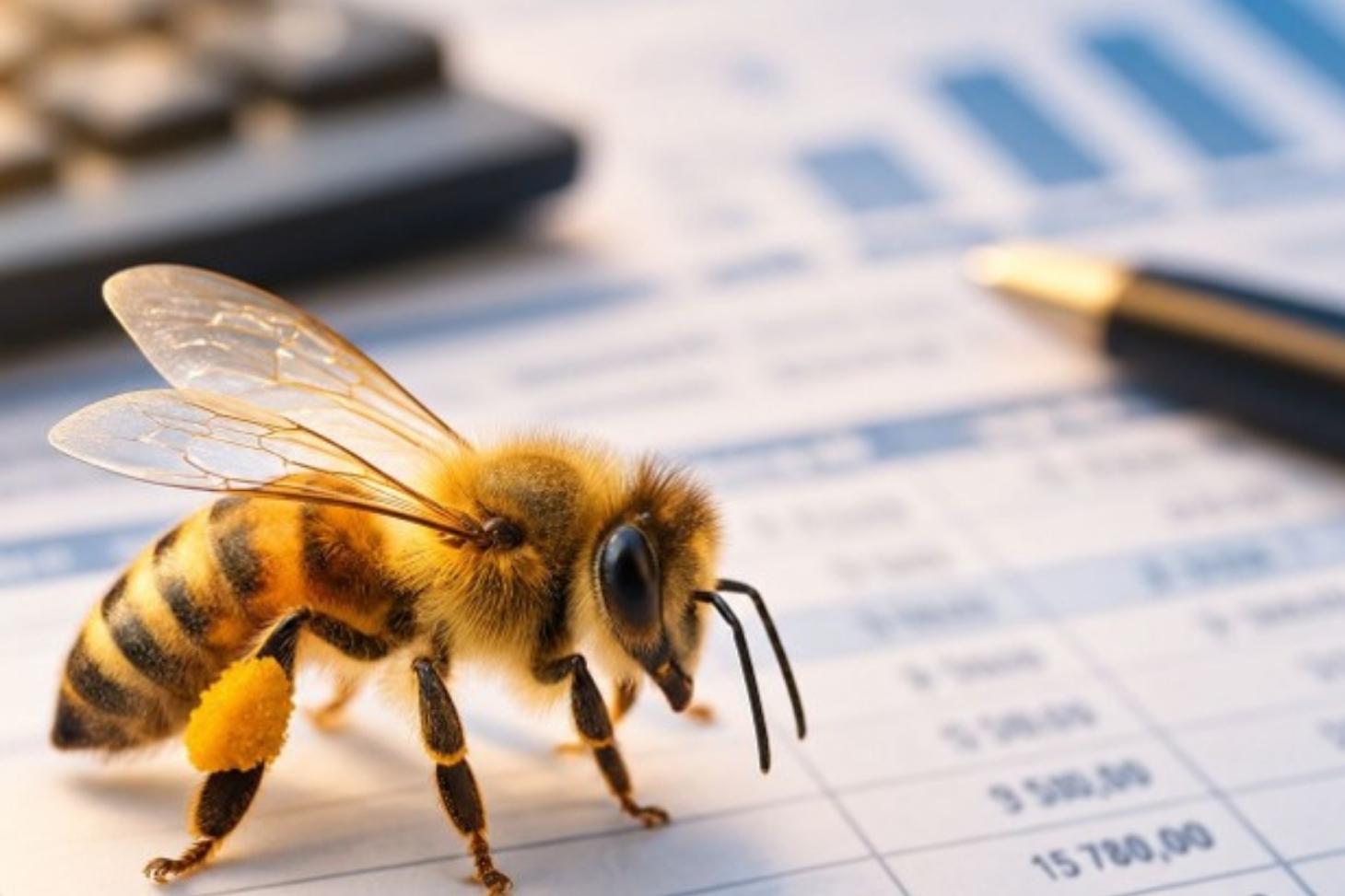
A recent study, involving the Center for Applied Management Studies and Research (CERAG - UGA - Grenoble INP-UGA), quantifies the risk of species extinction as a measurable economic cost. This study, applied to honeybees in France, reveals that failing to act in the face of biodiversity decline comes at an increasing cost, weakens species, and weighs on the economy. It thus proposes a new accounting tool that incorporates biodiversity to anticipate the cost of inaction and integrate the protection of living organisms into economic decisions.
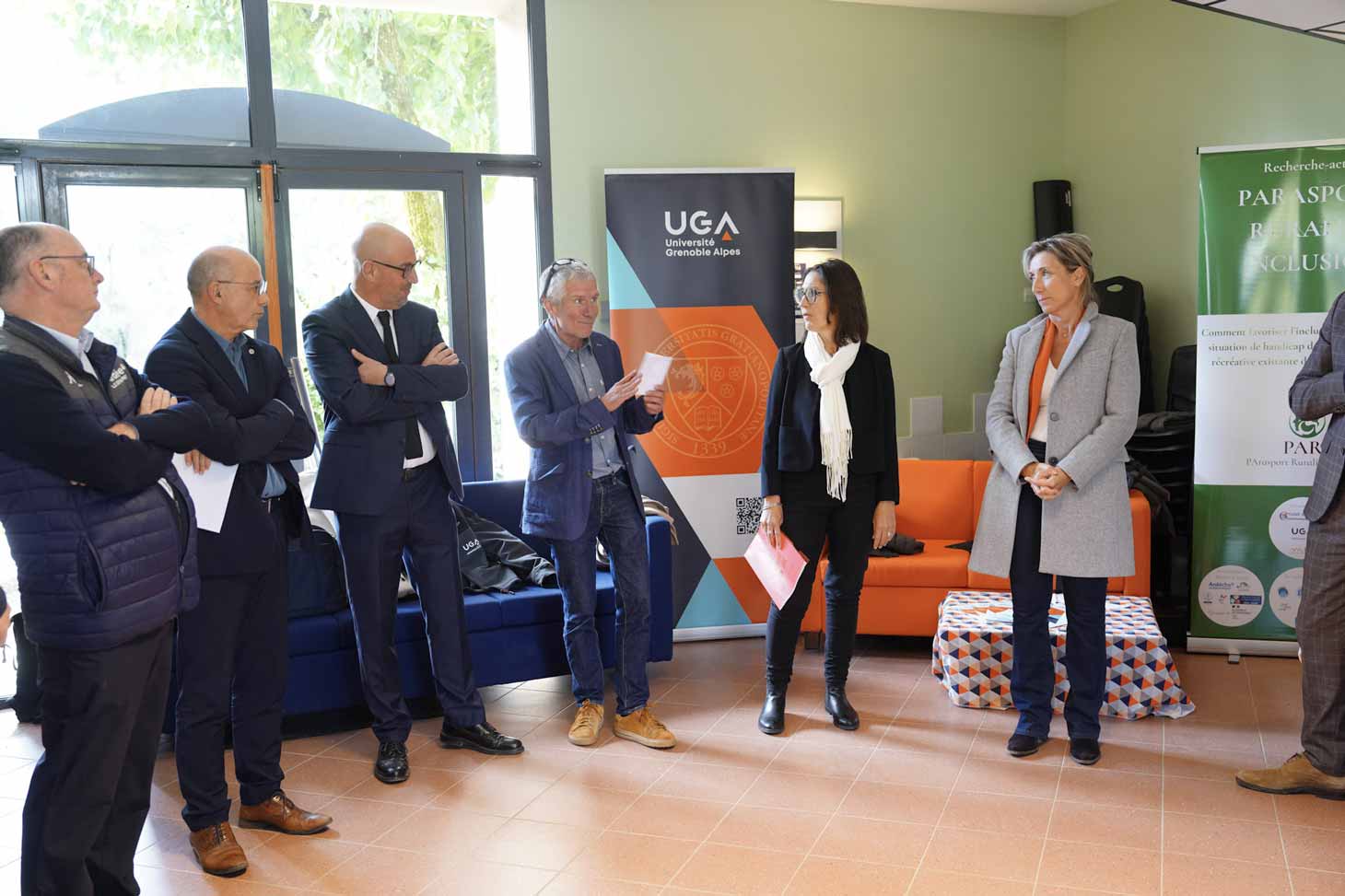
On the occasion of the visit by Catherine Staron, Vice President of the Auvergne-Rhône-Alpes Region responsible for high schools, higher education, research, and innovation, on Wednesday, October 21, 2026, theUniversité Grenoble Alpes highlighted the development of CERMOSEM and its university presence in southern Ardèche. For 32 years, this site has helped bridge the gap between higher education, research, and local stakeholders. Supported by the Region and the Ardèche Department, it continues its transformation into a true rural campus, serving students and supporting local development.
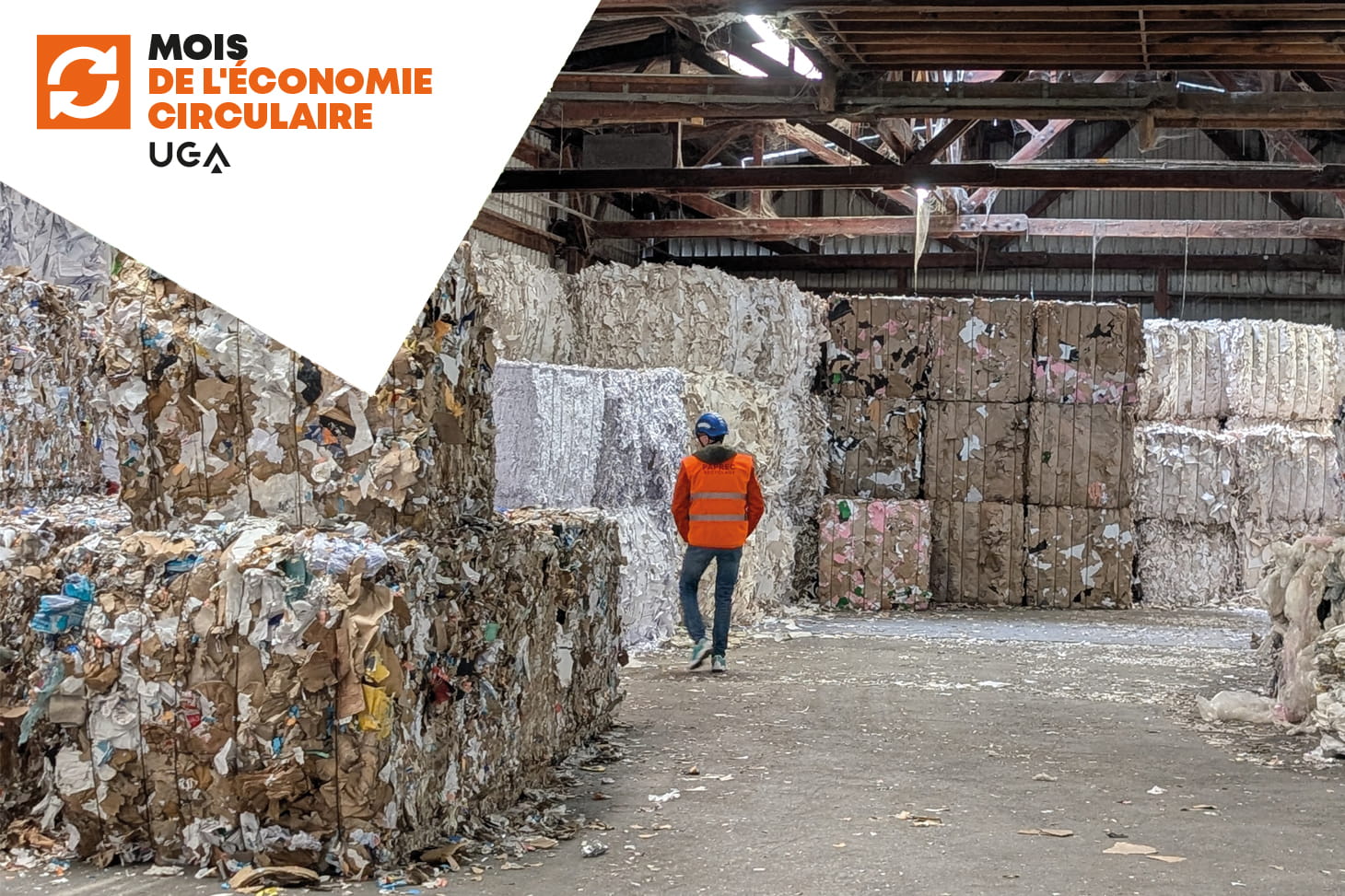
This is the 4th annual Waste Prevention and Reuse Month. This year, it’s being called Circular Economy Month. Check out workshops on making household products, repairing computers and bicycles, tours of places normally closed to the public, and even a composting class!
A major international program to observe very young stars—involving scientists from the Grenoble Institute of Planetology and Astrophysics—has released its first results. Using observations from the ALMA radio telescope array in Chile, the scientific team has detected molecules and their traces in places where they were thought to be rare or even nonexistent.
Share the linkCopyCopiedClose modal windowShare the URL of this pageI recommend this page:Available at this address:The page will then be accessible from your "My Favorites" menu.Stop the videoPlay the videoMutePlay soundChat: Have a question?Robo Fabrica ChatbotMatomo Traffic StatisticsX (formerly Twitter)