

The biotechnology company Altos Labs—founded by Milner and officially launched on January 19, 2022—has raised $3 billion, attracting leading scientists such as Shinya Yamanaka, the Japanese researcher who discovered cellular reprogramming, as well as Juan Carlo Izpisua Belmonte of the Salk Institute for Biological Studies in La Jolla. The official goal is “to transform medicine through cellular rejuvenation.” Bezos, for his part, has invested heavily in the company.
Drawing on the expertise of these world-class scientists, the biotech company Altos Labs aims to extend cellular rejuvenation to the revitalization of the entire body, with the goal of prolonging human life.
What's behind this technique? Where do things really stand?
Human cells have a programmed lifespan, and their main characteristic is that they divide in a controlled manner to ensure the survival of our tissues and organs. An aging cell, or a cell in a state of senescence, is a cell that no longer divides and will be eliminated through apoptosis (cell death).
That's life…
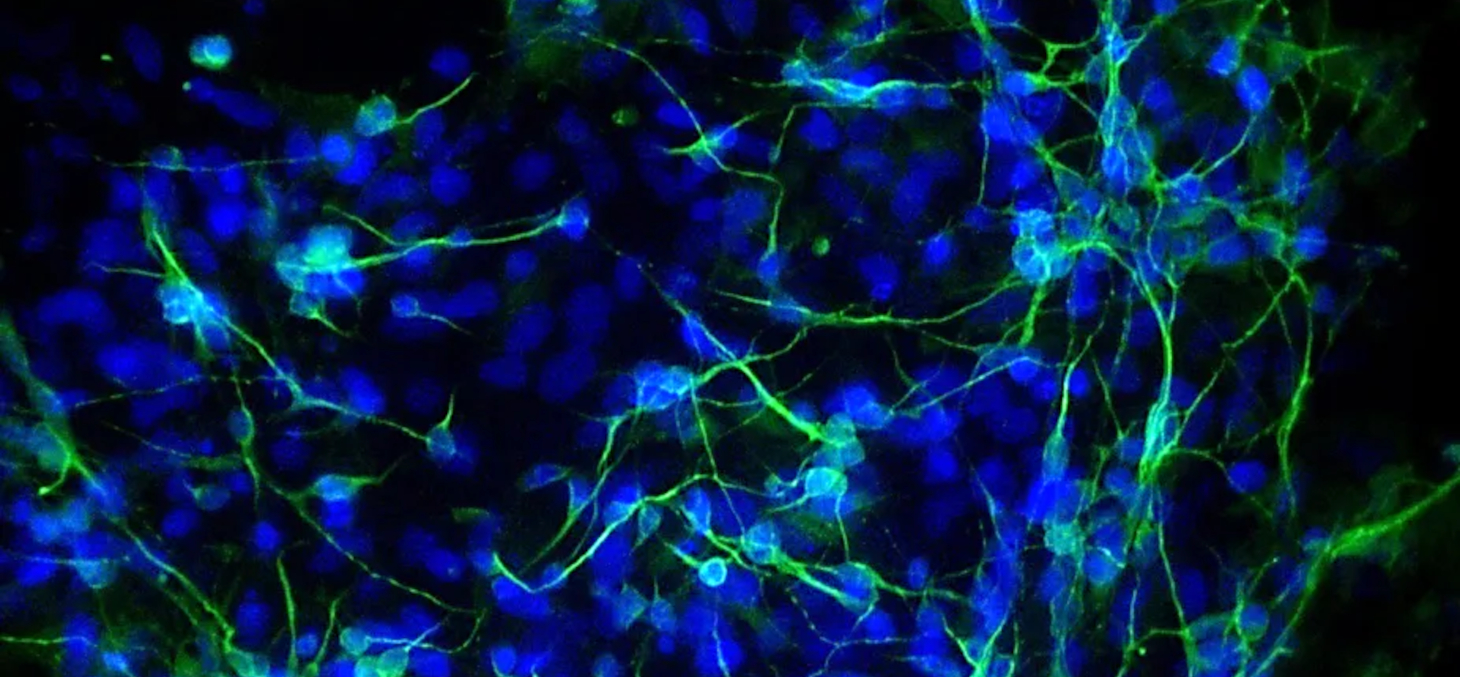
But in 2006, the work of the 2012 Nobel Prize in Medicine laureate, Japanese researcher Shinya Yamanaka, opened up previously unthinkable fields of research based on the possibility of rejuvenating our cells. The introduction of four specific genes into the genome of any adult cell (skin or blood cells, for example) causes it to revert to an embryonic stage known as an induced pluripotent stem cell—which we’ll refer to simply as an induced stem cell for the sake of simplicity.
The resulting induced pluripotent stem cell regains the pluripotent properties of embryonic stem cells—that is, it can differentiate into any type of adult cell, such as a neuron, a heart cell, or an epithelial cell. This suggests that, in the future, it will be possible to repair or create any type of organ or tissue from these induced pluripotent stem cells.
The first trials of tissue repair using retinal epithelial cells derived from induced pluripotent stem cells were successfully conducted in Japan to treat age-related macular degeneration.
As a pioneer in this field, Japan has established a bank of immunologically characterized induced pluripotent stem cells that match each potential recipient’s immunological type in order to prevent rejection of this cell therapy. In these early regenerative medicine trials, healthy epithelial cells were obtained by differentiating human induced pluripotent stem cells that exhibited optimal immunological compatibility with the recipient patient. Despite these promising initial trials, we are still only at the dawn of using induced pluripotent stem cells in regenerative medicine to treat tissues more complex than the eye, such as the heart, brain, or pancreas.
In fact, the rejuvenation of adult cells involves the reintroduction of genes called transcription factors, which, when active, modulate the expression of other genes characteristic of stem cells that are normally inactivated in adult cells. Among these transcription factors, some are said to be oncogenic, meaning they can cause cancer.
Similarly, using adult cells derived from induced pluripotent stem cells to regenerate an organ or tissue is not without risk. It is difficult to truly control the differentiation status of these adult cells, since we do not know whether they have all lost their pluripotency. Isn’t there a possibility that a residual induced stem cell might be lurking within these adult cells and, having retained its pluripotency, could differentiate uncontrollably into various types of adult cells, effectively leading to the formation of a teratoma (a tumor composed of pluripotent cells)?
Imagine that, thanks to cellular reprogramming, neurons, pancreatic cells, hepatocytes (liver cells), and more can now be derived from the differentiation of human induced pluripotent stem cells.
This technology has greatly facilitated the development of cellular toxicology tests for drugs, and has also made it easier to analyze the therapeutic effects of new molecules on human cells that were previously inaccessible, such as hepatocytes.
These induced stem cells also make it possible to create what are known as “organoids”—3D mini-organs that are increasingly replacing animal testing. Thus, this major discovery—cell reprogramming—is of great benefit to the pharmaceutical industry.
To take this a step further, not only are various types of so-called “normal” adult human cells available, but so are those derived from patients. This makes it possible to generate cellular models that mimic diseases. These models allow researchers to understand the pathophysiological mechanisms underlying the disease and to develop new, more targeted therapies.
The first example is the cellular modeling of Fanconi anemia, which, through cell reprogramming, has made it possible to understand and correct the defect in blood cell production—one of the hallmarks of this disease.
Furthermore, induced pluripotent stem cells derived from patients with genetic disorders serve as excellent cellular models for testing new therapies, such as genome editing. The idea is to specifically correct the genetic defect within the patient’s induced pluripotent stem cell so that the corrected cell can later be reintroduced into the patient. The proof of concept for this approach has been validated in a rare genetic disorder of innate immunodeficiency called chronic septic granulomatosis.
Our laboratory is also developing a new therapeutic approach for this disease: a protein-based therapy. Chronic septic granulomatosis is a rare disease caused by a deficiency in a key enzyme involved in the defense against bacterial infections, called NADPH oxidase or NOX, which is located in the membrane of white blood cells such as macrophages and neutrophils. Thanks to this NOX enzyme, these white blood cells produce molecules that kill the bacteria or fungi responsible for infections in our tissues or organs. The prevalence of this disease in France and worldwide is one case per 250,000 people.
Since severe pulmonary infections are the leading cause of death in these patients, the idea is to artificially produce the deficient NOX enzyme encapsulated in a lipid shell, which will eventually be administered as a nasal aerosol to restore the enzymatic activity of the patient’s pulmonary macrophages. To this end, we have generated cellular models that mimic chronic septic granulomatosis—that is, NOX-deficient macrophages derived from induced pluripotent stem cells obtained from patients with this disease. We have demonstrated the proof of concept for the efficacy of this therapeutic approach in our pathological cellular model. The next step will be to demonstrate its efficacy against pulmonary infections in mice.
The major problem with this technique is that it not only rejuvenates cells, but also alters their identity. For example, an adult epithelial cell will first become a stem cell through cellular reprogramming, and only then will it be differentiated into the desired cell type (such as a heart cell).
The use of stem cells carries a significant risk of tumor development. This is illustrated by the work of Juan Carlo Izpisua Belmonte, published in 2016, on extending the lifespan of mice with premature aging through cellular reprogramming. In fact, although the expected effect was achieved in some mice, others developed tumors.
Cell reprogramming holds enormous potential for improving human health by facilitating the toxicological testing conducted by the pharmaceutical industry. It also enables the modeling of diseases to better understand them and to test new therapeutic approaches. That said, it is clear that basic research aimed at fully understanding the molecular mechanisms of cellular reprogramming is necessary to manage carcinogenic risks and ensure the safety of its application in regenerative medicine.
For now, therefore, no clinical trials in humans are reasonably feasible. Despite the dreams of the wealthiest, human rejuvenation is not on the horizon.
This article is republished from The Conversation under a Creative Commons license. Readthe original article.