Extinction Accounting: An Innovative Tool to Support Biodiversity Conservation
Search
October 16, 2026
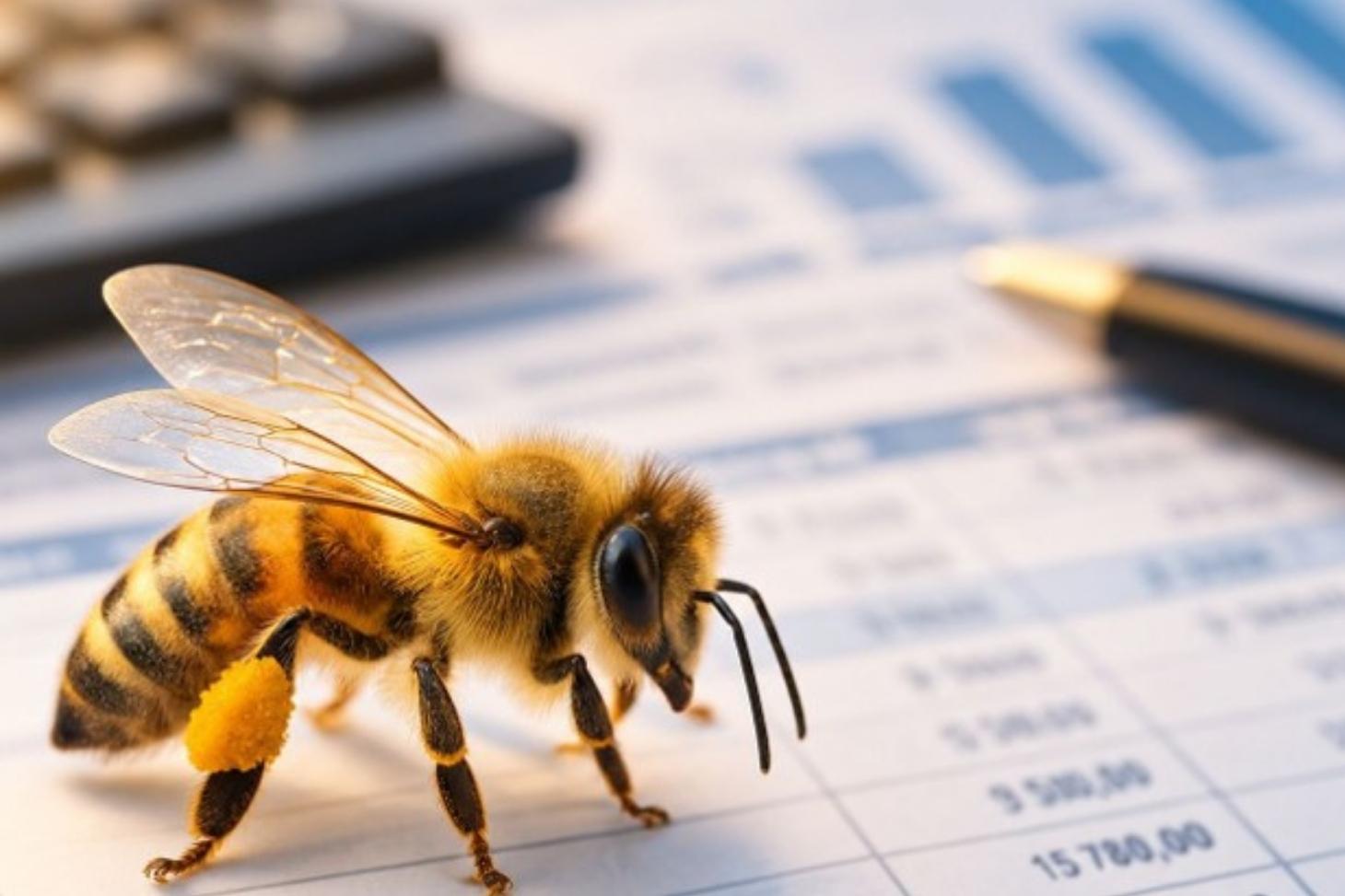
A recent study, involving the Center for Applied Management Studies and Research (CERAG - UGA - Grenoble INP-UGA), quantifies the risk of species extinction as a measurable economic cost. This study, applied to honeybees in France, reveals that failing to act in the face of biodiversity decline comes at an increasing cost, weakens species, and weighs on the economy. It thus proposes a new accounting tool that incorporates biodiversity to anticipate the cost of inaction and integrate the protection of living organisms into economic decisions.
This research proposes a new approach to extinction accounting, integrating natural, human, and societal capital into accounting systems to measure the economic costs associated with species degradation and conservation. It addresses the need to better integrate biodiversity issues into economic and financial decisions.
The method combines two complementary theoretical approaches: recognizing the intrinsic value of species and specifically accounting for them in biodiversity reports, as well as the monetary valuation of natural, human, and societal capital. It is being tested on honeybees in France, based on a questionnaire and interviews conducted with 70 beekeepers between 2018 and 2025. The analysis identifies the resources needed to conserve the honeybee: hive replacement, agroforestry, control of the Asian hornet and varroa mites, protective equipment, and training in bee health. For 30 hives experiencing approximately 30% annual losses, the necessary expenses are estimated at €4,700. With 40% losses, these expenses would reach €6,095. This difference reflects the increase in resources required as the species’ survival conditions deteriorate, and the financial loss is estimated at approximately 30% of the revenue from the activity under study.
The results show that accounting can serve as a tool for early warning, anticipation, and conservation by highlighting the resources needed to sustain species and the economic consequences of inaction. This approach helps integrate biodiversity into management tools and international reporting frameworks. Finally, it opens up possibilities for application to other species and ecosystems, at various geographical scales, in order to align economic data with ecological realities.
Published on 16 October 2026
Updated on 16 October 2026
References
Accounting for Extinction: An Innovative Tool for Ecological Improvement
Genevieve M. Nouyrigat and Jacquelyn E. Humphrey Accounting, Auditing & Accountability Journal, July 2026
https://doi.org/10.1108/AAAJ-06-2025-8039
Share the linkCopyCopiedClose modal windowShare the URL of this pageI recommend this page:Available at this address:The page will then be accessible from your "My Favorites" menu.Stop the videoPlay the videoMutePlay soundChat: Have a question?Robo Fabrica ChatbotMatomo Traffic StatisticsX (formerly Twitter)