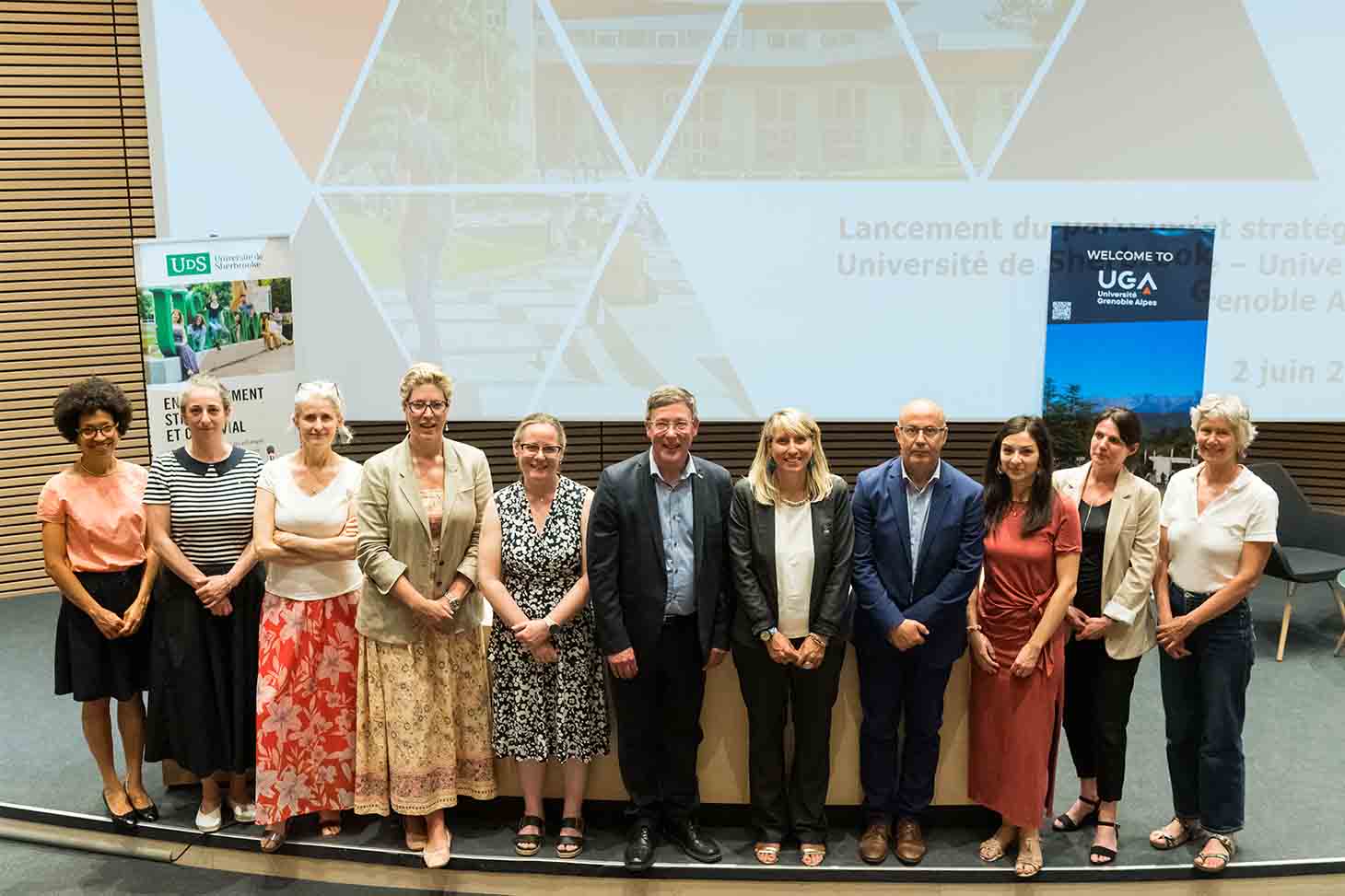
After spending about a decade fostering dialogue and cooperative initiatives, our two universities are poised to take a major step forward with the formalization of a strategic partnership. This key milestone marks the culmination of our exchanges and paves the way for exceptional cooperation, notably through a new research chair in climate science diplomacy jointly sponsored by the two universities.
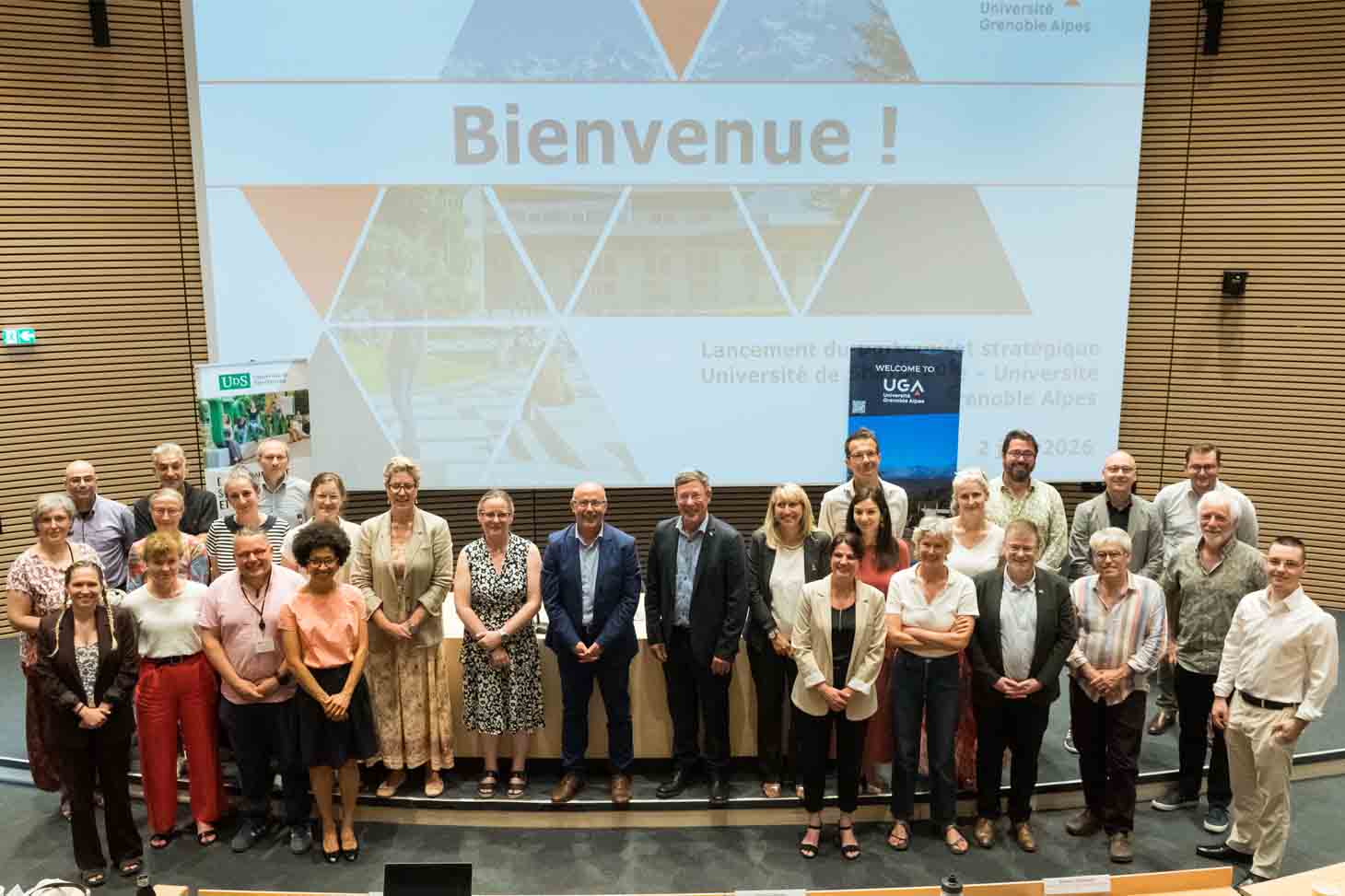
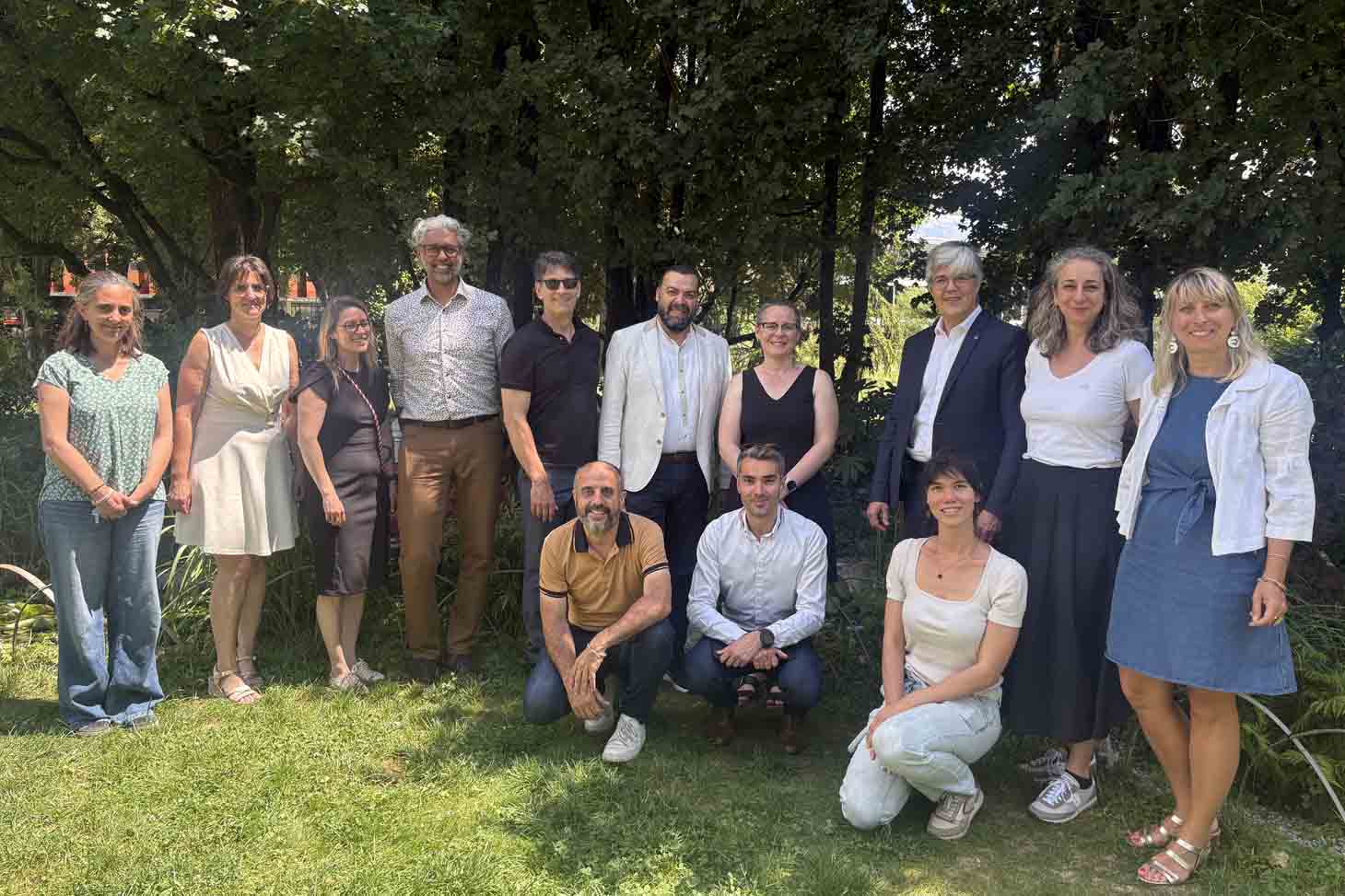
From June 1 to 3, 2026, the University of Grenoble Alpes hosted a delegation from the University of Sherbrooke for the official launch of their strategic partnership. Intended as a major scientific and institutional event, these days highlighted the collaborations already underway between the two institutions, as well as new opportunities for cooperation in research, education, and innovation.
The program for these events included visits to laboratories and centers of excellence, meetings with scientific teams, and discussions on the major societal challenges of today and tomorrow. The delegations explored topics such as health, neuroscience, aging, quantum science, materials, energy, science diplomacy, and climate change through visits to the Grenoble Institute of Neuroscience (UGA, Inserm), the CEA, the Néel Institute (CNRS, UGA), the Laboratory of Electrochemistry and Physicochemistry of Materials and Interfaces (LEPMI—UGA, CNRS, University of Savoie Mont-Blanc, and Grenoble INP—UGA), as well as the Maison de la Création et de l’Innovation (UGA).
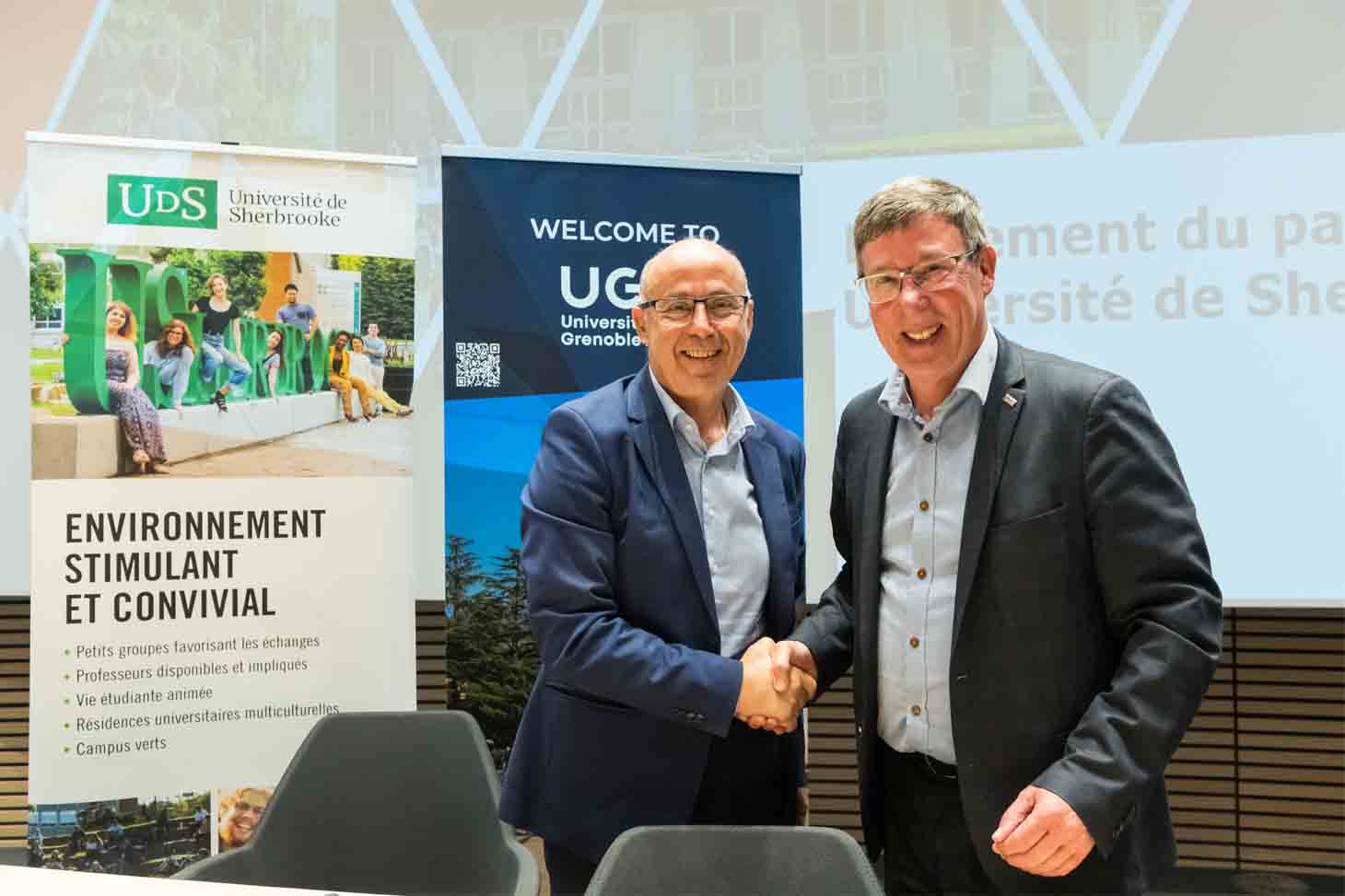
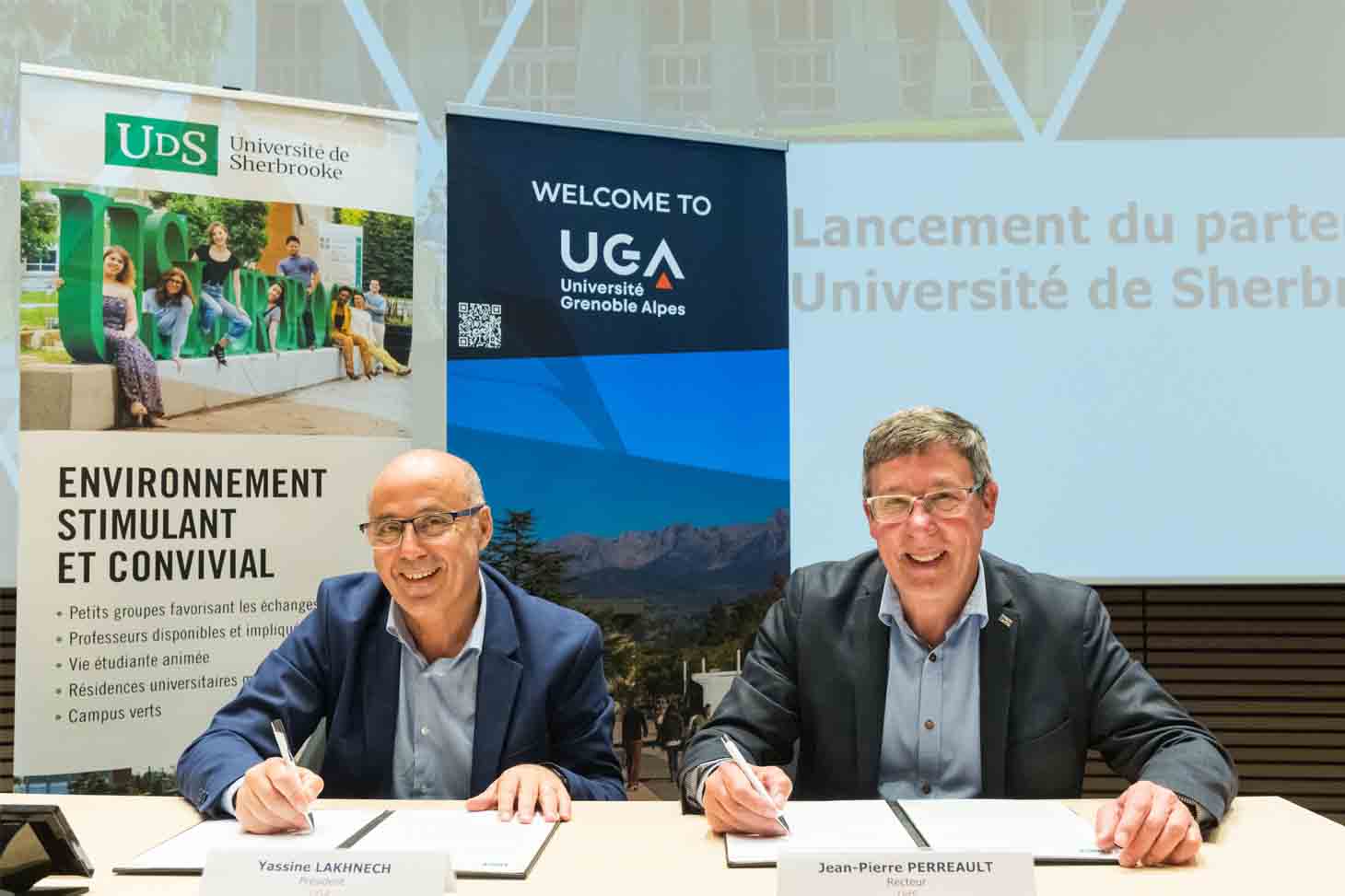
The afternoon of June 2 was dedicated to the official launch of the partnership, attended by Yassine Lakhnech, president of UGA, and Jean-Pierre Perreault, rector of the University of Sherbrooke. On this occasion, the two institutions presented their international strategies and several joint flagship projects, including the Nanotechnologies and Nanosystems Laboratory (LN2) and the Chair in Scientific and Climate Diplomacy, which held its first scientific seminar on June 3 in Grenoble.
LN2: A Driving Force Behind Franco-Canadian Scientific Cooperation
A joint research center based in Sherbrooke,the Nanotechnology and Nanosystems Laboratory (LN2 – UGA, Université de Sherbrooke, CNRS, INSA Lyon, Centrale Lyon) is dedicated to nanosciences and quantum engineering. With multiple sponsoring institutions, a multicultural, international, and interdisciplinary approach, LN2 serves as a true catalyst for scientific collaboration between Europe and North America. It covers the entire technological spectrum, from materials to systems, drawing on advanced micro- and nanofabrication processes. The laboratory also plays a major role in transferring innovations to the socio-economic sector through numerous projects conducted with industrial partners alongside academic researchers.
A chair at the intersection of knowledge, technology, and politics
The Chair in Climate Science Diplomacy aims to rethink the role of science in international relations and to strengthen dialogue among researchers, diplomats, policymakers, and citizens. Against a backdrop of misinformation and mistrust toward scientific institutions, this chair seeks to rebuild climate diplomacy on the foundations of trust, transparency, and the collaborative creation of knowledge.
His research focuses specifically on:
- the role of emerging technologies (AI, open data, blockchain, quantum computing) in climate governance and power dynamics;
- the dissemination, validation, and mediation of scientific knowledge in the public sphere;
- the inclusion and diversity of citizens’ voices in the generation and discussion of knowledge;
- the transfer and mobilization of knowledge to support coordinated climate action.
These international conferences aim to strengthen synergies among academic communities, foster new interdisciplinary collaborations, and outline the major research areas that will shape future collaborations.