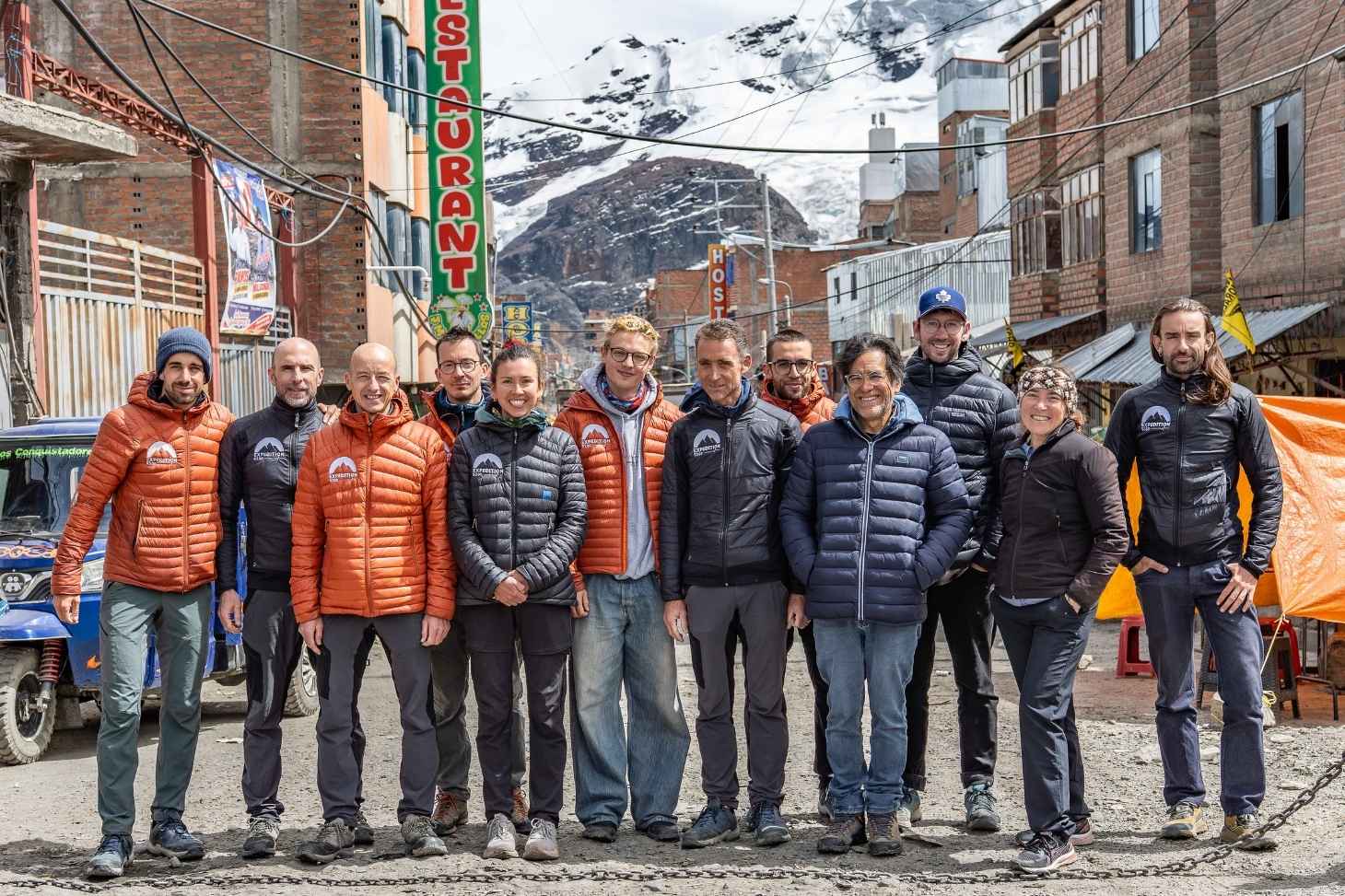
After three weeks in Peru, the GIS Expedition 5300 team—led by theUniversité Grenoble Alpes , and Inserm, and supported by the UGA Foundation—became, in October 2026, the first to study the health of women living permanently at very high altitudes.
From September 30 to October 18, 2026, the Expedition 5300 team set up camp in La Rinconada, Peru. This Andean mining town, the highest in the world, is home to 50,000 residents who live year-round at altitudes between 5,100 and 5,300 meters, where oxygen levels are about half those at sea level. After two mission cycles focused first on men’s health and then on children’s health, this third phase focused for the first time on women’s health, a topic that had never been studied before.
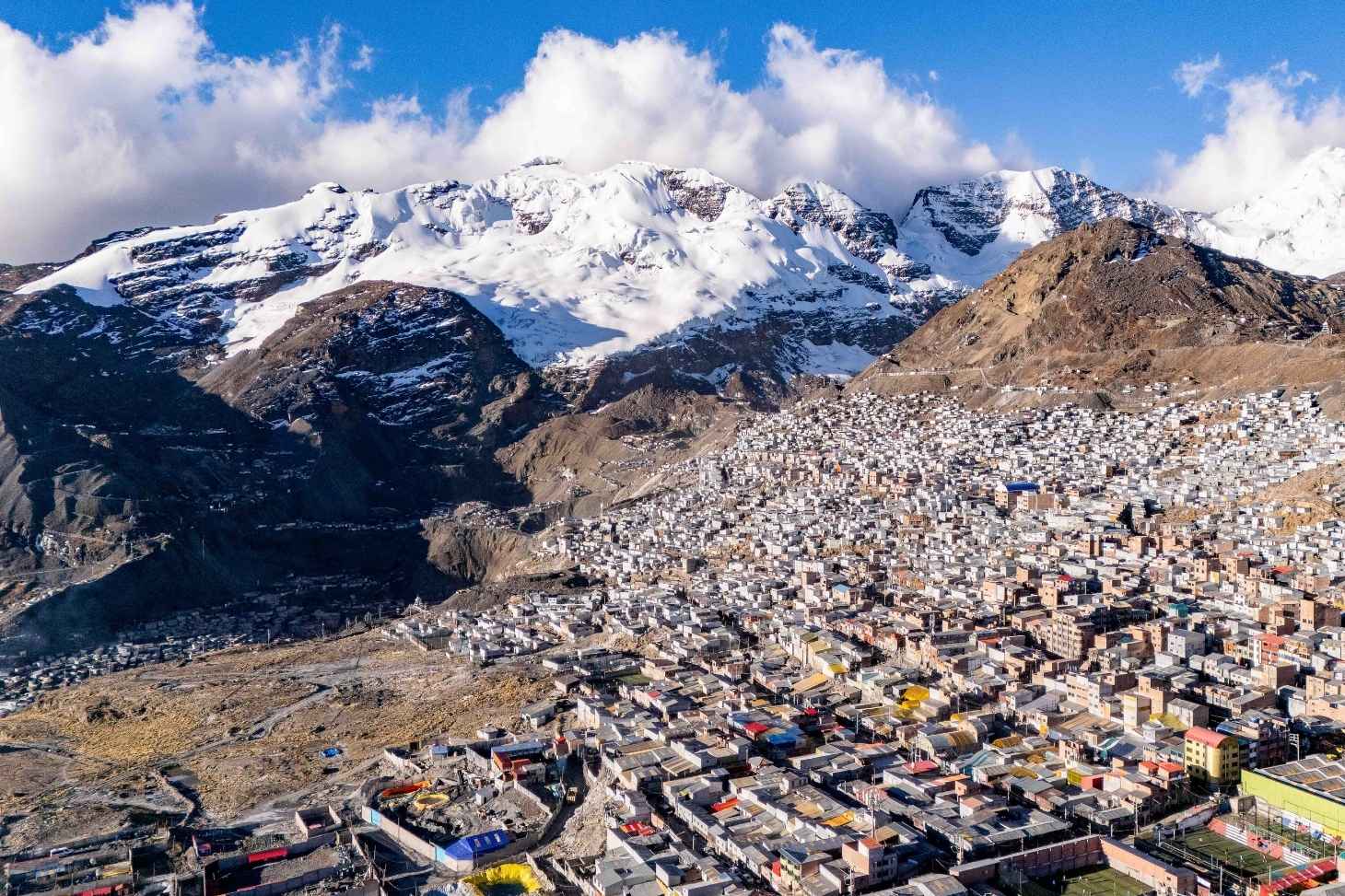
La Rinconada in Peru, at an elevation of 5,300 meters © Axel PITTET – PERCEPTIOM, a science communication agency
A hypothesis: Female hormones may protect against oxygen deprivation
To compensate for the lack of oxygen, the inhabitants’ bodies produce a very large number of red blood cells. This adaptation comes at a cost: the blood becomes thicker, flows less freely, and the heart has to work harder as a result; this is the
"chronic mountain sickness". In practice, women appear to be significantly less affected by this syndrome.
"We hypothesize that female hormones enable better adaptation to hypoxia.", explains Samuel Vergès, an Inserm research director at the Hypoxia and Cardiovascular and Respiratory Pathophysiology Laboratory (HP2 - UGA/CHUGA/Inserm) and director of GIS Expedition 5300. If confirmed, this protective effect could diminish after menopause. To test this, the team compared four groups: women and men aged 18 to 35, postmenopausal women, and men aged 50 to 70—a breakdown that allows researchers to distinguish the effect of sex from that of age.
A physiology laboratory recreated at 5,300 m
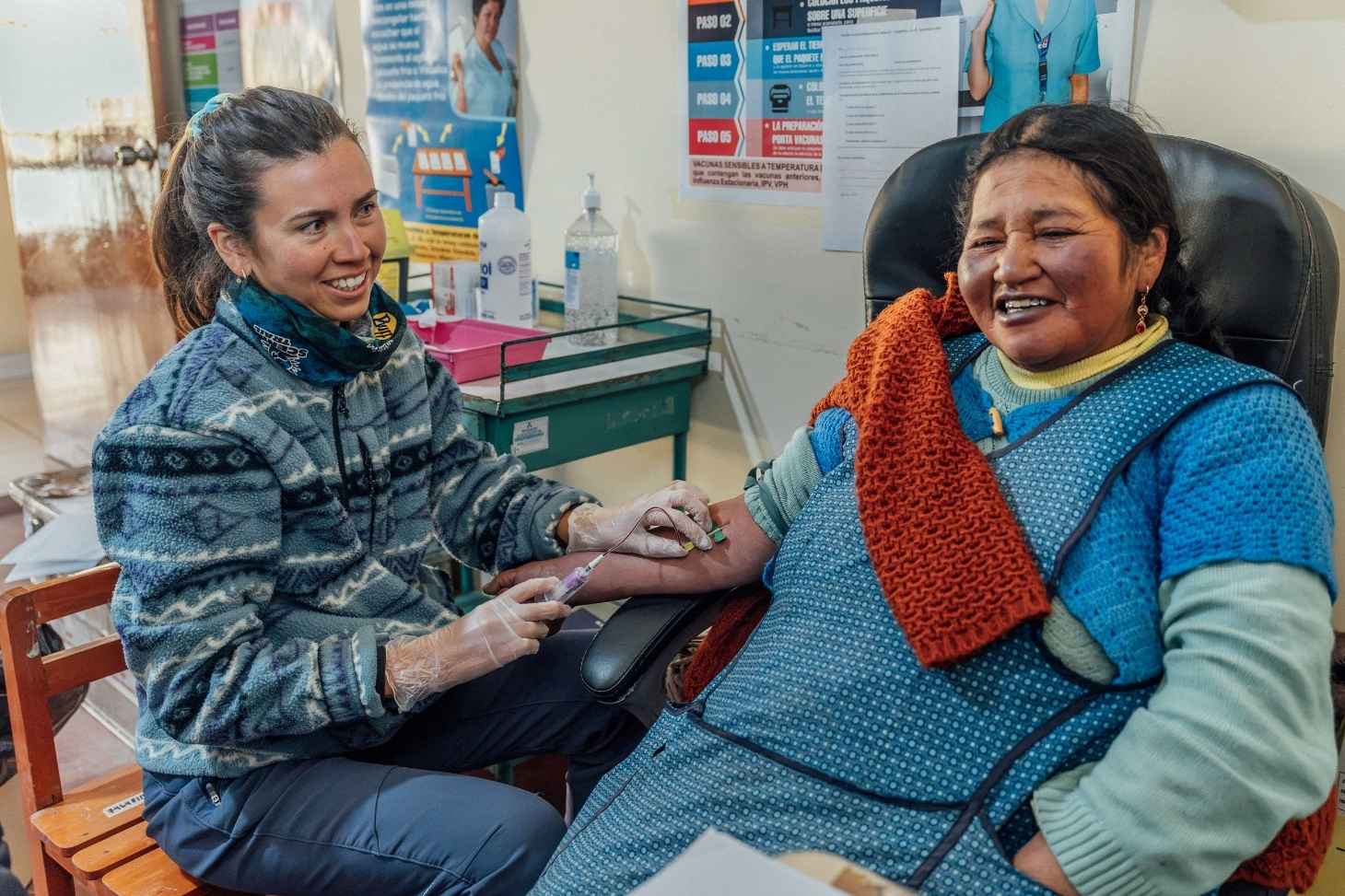
Several hundred kilograms of supplies were shipped from France and set up in the town’s clinic, which has no running water, no heating, and no modern medical facilities. Six examination stations were set up there: clinical consultation, hematology and laboratory testing, vascular imaging, echocardiography, pulmonary function testing, and neurocognitive assessments. Each volunteer spent about three hours there and then took home a sleep monitor to wear overnight.
Working conditions were grueling: cold weather, frequent power outages that disrupted the measuring equipment, workdays sometimes lasting more than twelve hours, and acute mountain sickness experienced by the team itself, despite a period of acclimatization in Juliaca (3,824 m).
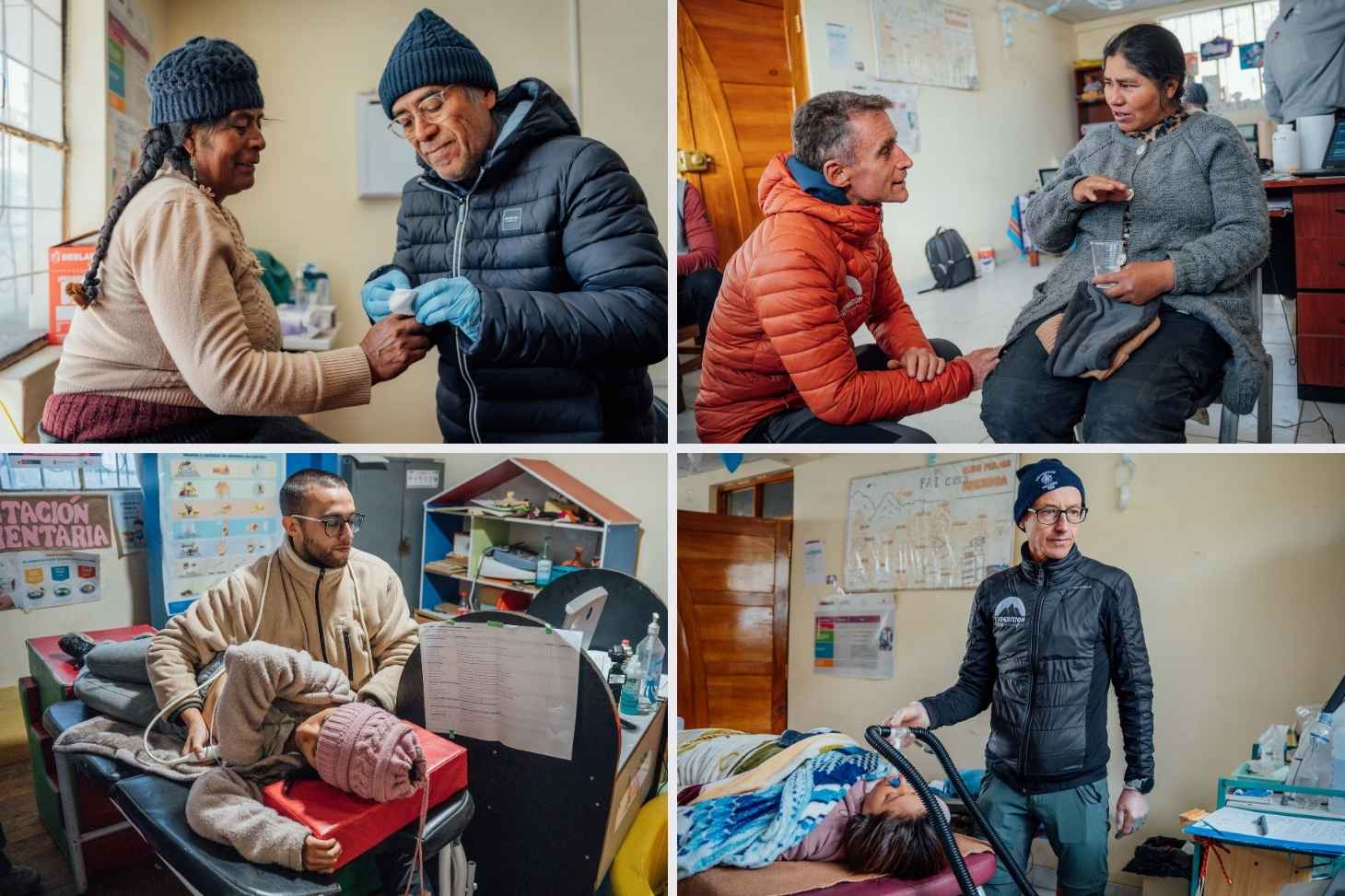
Clinical examinations during Expedition 5300 on women's health in La Rinconada, Peru, at an altitude of 5,300 meters © Axel PITTET – PERCEPTIOM, a science communications agency
Over the course of eighteen days, the mission collected:
|
80
|
volunteers evaluated, including more than 50 women
|
|
More than 700
|
blood samples, collected and frozen
|
|
150
|
ultrasound images
|
|
60
|
number of nights of sleep recorded
|
|
Over 200
|
neurocognitive tests
|
|
about a hundred
|
clinical consultations
|
This previously unpublished data will enable researchers to study red blood cell production, the role of female hormones, cardiovascular function, the respiratory response to changes in the inhaled air, breathing pauses during sleep, as well as memory, attention, and mental flexibility.
Research that benefits residents first and foremost
The relationship with the participants was at the heart of the mission. Each evaluation began with a discussion (presentation of the protocol, questions, informed consent) and included a comprehensive medical consultation, with referrals to appropriate healthcare professionals in Juliaca or Puno as needed. Each participant left with a health assessment prepared by the team’s doctors, in a city where access to healthcare remains very limited. The team also presented the results of previous missions to local residents and distributed three posters with health advice in Spanish.
“This time, we came specifically to address women’s health, and women hold a unique place here from both a cultural and social perspective. I think the team is proud to be working to empower these women in a society where everything revolves around men and miners. We hope this will spark further changes that will improve living conditions in La Rinconada.”, says Samuel Vergès.
These results are also useful in the lowlands
The implications of this research extend beyond high altitudes. In France, patients with sleep apnea or chronic respiratory diseases live with oxygenation levels comparable to those of residents of La Rinconada. Determining whether women and men respond differently to oxygen deprivation—and whether this response changes after menopause—should help tailor the care of these patients more effectively.
What now?
Back in France, the team began analyzing the data—a process that would take several months and lead to scientific publications. The program will continue in 2027: a mission to Lima in the spring to evaluate a control group at sea level, followed by another mission to La Rinconada in October 2027 to expand the sample size.
“A lengthy analysis process is just beginning. An expedition like this, involving fifteen days of data collection, yields an enormous amount of data. Additional data will also come from upcoming missions focused on women’s health: a high-altitude mission to supplement the dataset collected here, and a lowland mission to provide control data.”
— Samuel Vergès
Establishment of a Scientific Interest Group
Since early 2026, Expedition 5300 has been organized as a Scientific Interest Group (GIS), a form of partnership that brings together several institutions around a joint research program. Five of these institutions are founding members: theUniversité Grenoble Alpes, Claude Bernard Lyon 1 University, the University of Poitiers, the National School of Mountain Sports, and the Grenoble Alpes University Hospital. Inserm and IRD are partners, and Samuel Vergès serves as director.
The signatories are committing human and financial resources to a multi-year program organized around three areas of focus: women’s health at high altitudes, the effects of prolonged exposure and aging, and the management of oxygen deficiency.